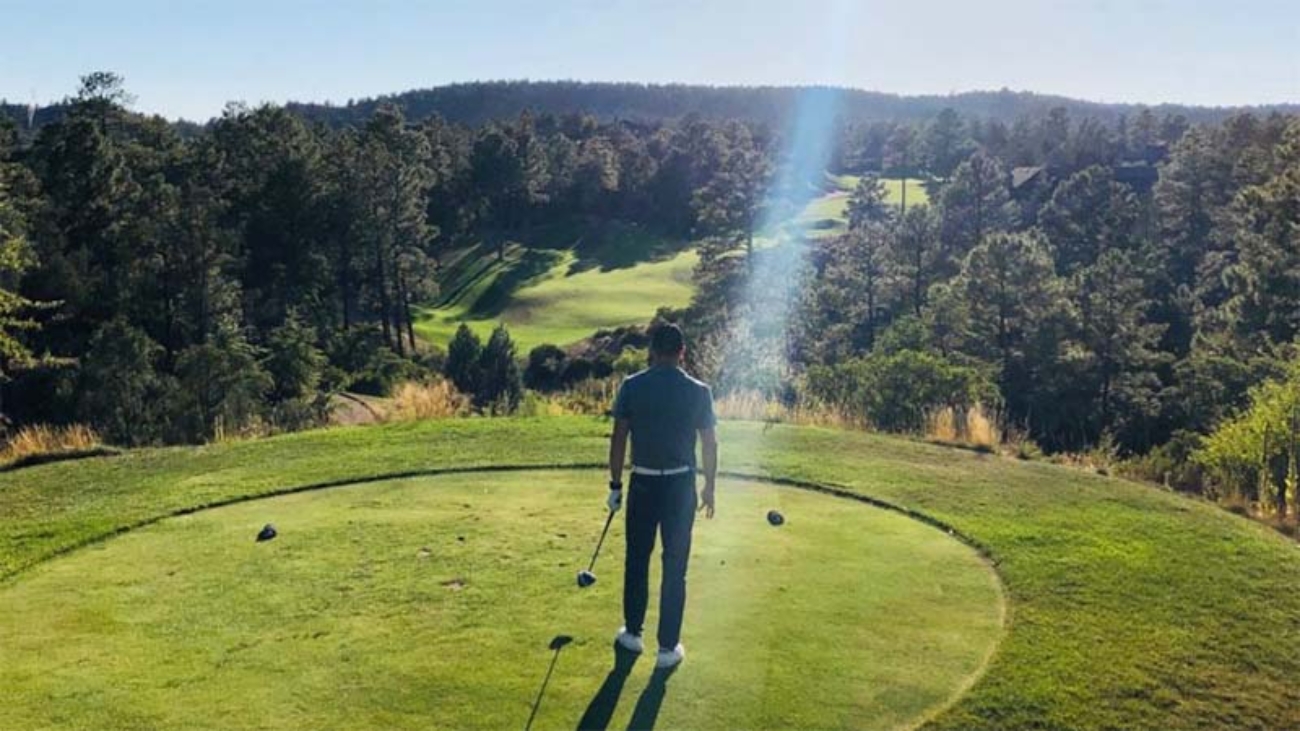
Golf Ettiquette

Mastering Basic Golf Etiquette: A Guide for First-Time Players

Golf is more than just a game; it’s a sport steeped in tradition, camaraderie, and etiquette. For first-time players stepping onto the green, understanding and practicing golf etiquette is essential to ensure an enjoyable experience for everyone involved. Whether you’re playing with friends, family, or colleagues, adhering to basic golf etiquette not only demonstrates respect for the game but also enhances the overall enjoyment of the round. Here’s a comprehensive guide to mastering basic golf etiquette for those teeing off for the first time:

Respect the Course
Before swinging your club, take a moment to appreciate the beauty and craftsmanship of the golf course. Treat it with care by avoiding unnecessary damage to the turf, such as divots and ball marks. Always replace divots and repair ball marks on the green to maintain the course’s pristine condition for others.

Be Mindful of Pace of Play
Golf is a game of rhythm and flow, and maintaining an appropriate pace of play is crucial for everyone’s enjoyment. Be prompt in taking your shots, but also be mindful of others on the course. If you fall behind, allow faster groups to play through. Conversely, if you’re playing faster than the group ahead, be patient and wait for the right moment to advance.

Silence is Golden
In the serene environment of the golf course, distractions can disrupt concentration and focus. Keep noise to a minimum, especially during someone’s swing or putting stroke. Silence your cell phone and refrain from engaging in loud conversations or unnecessary chatter.

Safety First
Golf involves swinging metal clubs and launching solid balls at high speeds, so safety should always be a top priority. Before taking your shot, ensure that no one is within striking distance. Always wait until others are at a safe distance before making your swing.

Honesty and Integrity
Golf is a game of integrity, where players are expected to uphold the rules and maintain honesty at all times. Count every stroke accurately and adhere to the rules of play. If unsure about a ruling or scorekeeping, seek clarification from your playing partners or consult the rulebook.

R-E-S-P-E-C-T
Respect for fellow players, course staff, and the game itself is fundamental in golf etiquette. Treat others with courtesy and consideration, whether it’s giving your playing partners space during their shots or thanking course staff for their hard work. Respect the traditions of the game and adhere to its codes of conduct.

Care for the Greens
The putting green is sacred ground in golf, and proper etiquette is essential to preserve its integrity. Avoid stepping on others’ putting lines, as footprints can affect the roll of the ball. Additionally, handle flagsticks with care and avoid leaning clubs against them to prevent damage.

Keep Up with Equipment
Ensure your equipment is in good condition and free from any defects that could potentially cause harm to others or the course. Replace broken or damaged clubs and repair or replace worn-out grips to maintain control and prevent accidents.

Learn the Lingo
Familiarize yourself with common golf terminology to communicate effectively with fellow players and course staff. Understanding terms such as “fore,” “birdie,” and “par” will not only enhance your golf experience but also demonstrate your commitment to the game.

Have Fun!
Above all, remember that golf is a game meant to be enjoyed. Embrace the challenges, celebrate the successes, and cherish the camaraderie shared with fellow players. Whether you’re shooting for par or just aiming to have a good time, maintaining a positive attitude and a sense of humor will make your golfing experience truly memorable.

By following these basic guidelines of golf etiquette, first-time players can navigate the course with confidence and respect, ensuring a positive experience for themselves and their fellow golfers. So, grab your clubs, hit the links, and embark on your journey to becoming a courteous and skilled golfer. Remember, in golf, etiquette matters as much as the scorecard.

Credits: Golfdigest

2024 WM Phoenix Open odds, picks, field, predictions: Expert fading Scottie Scheffler at TPC Scottsdale

Sia Nejad reveals his WM Phoenix Open 2024 picks, props and sleepers for the tournament nicknamed The People’s Open

Two-time defending champion Scottie Scheffler will go for a rare three-peat when he tees off at the 2024 WM Phoenix Open beginning on Thursday at TPC Scottsdale in Scottsdale, Ariz. Ranked No. 1 in the world, Scheffler can become the first player to win the same PGA Tour event three years in a row since Steve Stricker won the John Deere Classic from 2009-11. Scheffler also is looking to become just the fifth player to have won the WM Phoenix Open three times in the tournament’s 90-plus-year history.

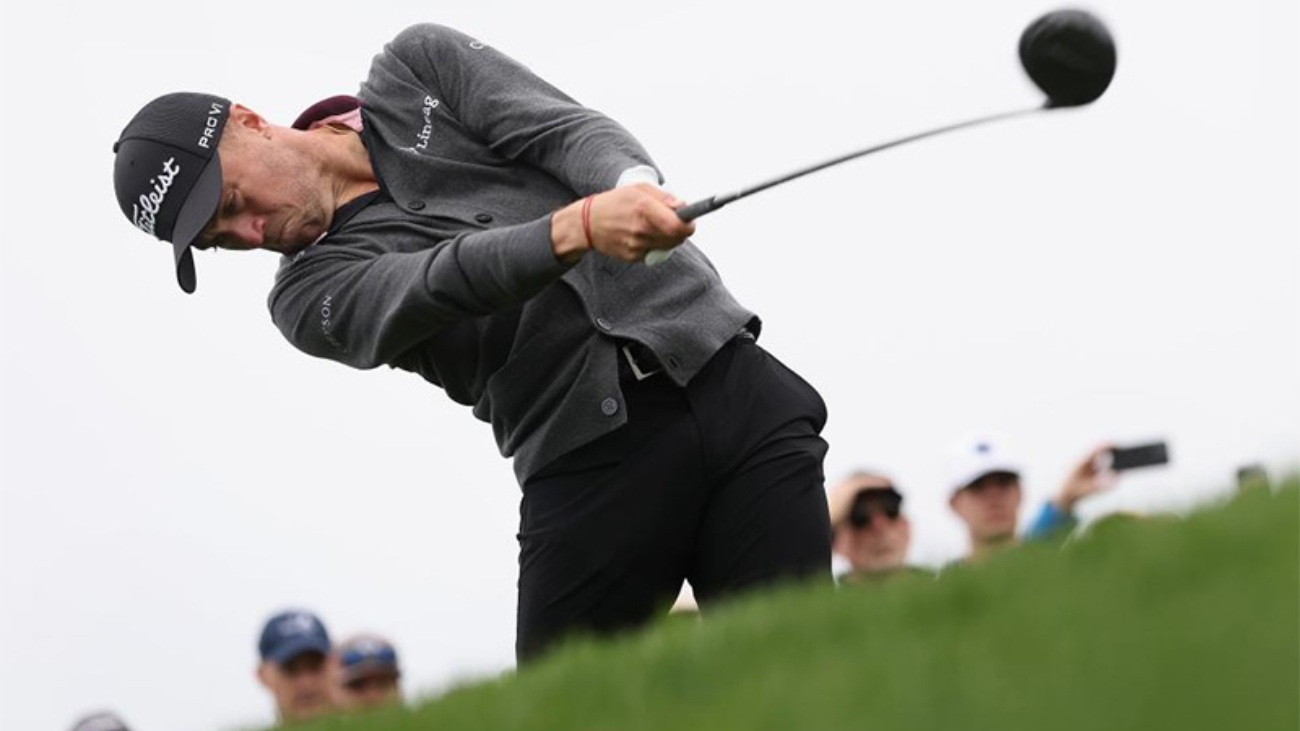
Scheffler is the 9-2 favorite according to the latest 2024 WM Phoenix Open odds. Justin Thomas (+1000), Max Homa (+1400), Jordan Spieth (+1800), and Sam Burns (+2000) round out the top five choices in the WM Phoenix Open field. Before locking in any 2024 WM Phoenix Open picks, make sure you see the PGA Tour predictions and best bets from golf betting and fantasy expert Sia Nejad.

Nejad specializes in betting and DFS in golf, among other sports. He’s had incredible success in the outright and first-round leader markets and in betting head-to-head matchups. He also has been on fire with his head-to-head matchups since last year’s Charles Schwab Challenge, going 29-16-1 and returning 10.25 units over that span. That’s a $1,025 profit for $100 bettors since May 2023.

Nejad also nailed 75-1 longshot Wyndham Clark as the outright winner at the Wells Fargo Championship. In 2023, SportsLine debuted “The Early Wedge,” and in the first three months of the show, he hit two first-round leaders and three outright winners.

Now, Nejad has focused his attention on the 2024 WM Phoenix Open field and has locked in his best bets, top sleepers and favorites to avoid. See who they are at SportsLine.

Top 2024 WM Phoenix Open expert picks
One surprise: Nejad is completely fading Scheffler, even though he is the two-time defending champion. Scheffler is coming off a historic season in the strokes gained metrics. He led the PGA Tour in strokes gained: total, off-the-tee, approach, and around-the-green.

However, Scheffler famously struggled with the putter last season, ranking 162nd on the PGA Tour in strokes gained: putting. So far this season, he hasn’t shown much improvement and he enters this week’s event ranked 117th in that category. “He’s absolutely fantastic and the clear No. 1 player in this field, but this number [+450] is too short,” Nejad told SportsLine.

However, Nejad is bullish on Sahith Theegala, who is listed at 35-1. Theegala has been on a roll since August. In his last 10 PGA Tour events, he has seven top-20 finishes and four top 10s. That includes a victory at the Fortinet Championship in September.

Nejad also likes that Theegala has been performing well in the strokes gained metrics. Theegala ranks 32nd on the PGA Tour in strokes gained: total (1.079) and 37th in strokes gained: putting (0.621) this season. “His recent history and metrics are solid, and while he can be a little too inaccurate with the driver, his ball-striking and greens in regulation stats have been very good,” Nejad said. See whom else to back at SportsLine.

How to make 2024 WM Phoenix Open picks
Nejad has locked in his best bets for the 2024 WM Phoenix Open and is backing several longshots, including one that is priced at more than 70-1. This player is “trending well with the putter” and is a longshot who could surprise. You can see Nejad’s PGA Tour picks only at SportsLine.

So which players should you target or avoid for the 2024 WM Phoenix Open, and which player in the WM Phoenix Open 2024 field could bring a huge payday at more than 70-1? Check out the odds below, then visit SportsLine to see Sia Nejad’s top picks for the 2024 WM Phoenix Open, all from the expert who is 29-16-1 on his last 46 head-to-head picks.

2024 WM Phoenix Open odds, field
See Nejad’s picks, best bets and predictions here.

Scottie Scheffler +450
Justin Thomas +1000
Max Homa +1600
Sam Burns +1800
Jordan Spieth +1800
Min Woo Lee +2500
Byeong Hun An +2500
Matt Fitzpatrick +2800
J.T. Poston +2800
Wyndham Clark +3000
Sungjae Im +3000
Tom Kim +3500
Sahith Theegala +3500
Cameron Young +3500
Eric Cole +4000
Adam Hadwin +4000
Si Woo Kim +4500
Hideki Matsuyama +4500
Corey Conners +4500
Beau Hossler +4500
Adam Scott +4500
Rickie Fowler +5000
Brian Harman +5500
Thomas Detry +6000
Alex Noren +6000
Akshay Bhatia +6000
Emiliano Grillo +6500
Kurt Kitayama +7000
Kevin Yu +7000
Shane Lowry +7500
Keith Mitchell +7500
Denny McCarthy +7500
Mark Hubbard +8000
Christiaan Bezuidenhout +8000
Andrew Putnam +8000
Tom Hoge +9000
Erik Van Rooyen +9000
Adam Schenk +9000
Luke List +10000
Harris English +10000
Taylor Montgomery +11000
Michael Kim +11000
Lucas Glover +11000
Brendon Todd +11000
Billy Horschel +11000
Adam Svensson +11000
Aaron Rai +11000
Ryan Fox +13000
Matt Kuchar +13000
Daniel Berger +13000
Austin Eckroat +13000
Victor Perez +13000
Taylor Moore +15000
Nick Taylor +15000
Nate Lashley +15000
K.H. Lee +15000
Jake Knapp +15000
J.J. Spaun +15000
Gary Woodland +15000
Doug Ghim +15000
Davis Thompson +15000
Chesson Hadley +15000
Patton Kizzire +15000
Vincent Norrman +18000
Sam Ryder +18000
Matt Wallace +18000
Ben Griffin +18000
Scott Stallings +20000
Nick Hardy +20000
Justin Suh +20000
Brandon Wu +20000
Vince Whaley +25000
Tyler Duncan +25000
Seamus Power +25000
Sam Stevens +25000
S.H. Kim +25000
Maverick McNealy +25000
Matti Schmid +25000
Lee Hodges +25000
Joseph Bramlett +25000
Grayson Murray +25000
Chris Gotterup +25000
Cameron Champ +25000
Ben Kohles +25000
Alexander Bjork +25000
Will Gordon +30000
Robby Shelton +30000
Matt NeSmith +30000
Justin Lower +30000
Jhonattan Vegas +30000
Greyson Sigg +30000
Garrick Higgo +30000
Dylan Wu +30000
Charley Hoffman +30000
Carson Young +30000
Carl Yuan +30000
Camilo Villegas +30000
Ben Martin +30000
Sami Valimaki +30000
Troy Merritt +35000
Stewart Cink +35000
Ryan Moore +35000
Lanto Griffin +35000
Joel Dahmen +35000
Callum Tarren +35000
C.T. Pan +35000
Adrien Dumont De Chassart +35000
Aaron Baddeley +35000
Zach Johnson +40000
Zac Blair +40000
Kevin Streelman +40000
Harry Hall +40000
David Lipsky +40000
Chez Reavie +40000
Chad Ramey +40000
Bud Cauley +40000
Peter Malnati +50000
Nico Echavarria +50000
Martin Laird +50000
Jim Knous +50000
Hayden Buckley +60000
Andrew Novak +60000
Kevin Chappell +60000
Luke Donald +80000
Brandt Snedeker +100000
Nicolo Galletti +100000
Tyson Alexander +150000
Ben Taylor +150000
Ryan Brehm +200000
J.B. Holmes +250000
Kevin Stadler +500000
Jesse Mueller +500000

Untitled-1

Finca Cortesin hosts charity golf tournament

One of Spain’s most prestigious golf resorts, Finca Cortesin, recently opened its fairways for a special charity event aimed at raising funds for humanitarian causes. The tournament brought together golfers and supporters for a day of competition while helping people in need.

Held at the resort’s renowned championship course in Casares, on Spain’s Costa del Sol, the event combined sport with social impact. Participants competed while supporting initiatives that assist refugees living in camps in Algeria.

Golf for a cause

The charity competition, known as the Karama Solidarity Golf Tournament, was organized by the Casarean Association of Friendship with the Sahrawi People. Funds raised from the event are dedicated to providing support for Sahrawi refugees living in the Tindouf camps in Algeria, where humanitarian assistance remains critical.

Events like this use the popularity of golf to raise awareness and financial support for social causes. By combining a competitive tournament with fundraising activities, organizers aim to channel the community spirit of the sport toward humanitarian aid.

Tournament format and schedule

The event took place on February 10 at the Finca Cortesin Golf Resort. All participants teed off simultaneously at 9:30 a.m., creating a lively start to the day’s competition.

Golfers competed in two categories:

  • Men’s division
  • Women’s division

In addition to the main competition, several special prizes were awarded to highlight standout performances during the round. These included awards for the longest drive and the shortest putt, encouraging players to showcase both power and precision.

Participation in the event required a €125 entry fee, which included the green fee and the use of a buggy for the round. With places limited, organizers encouraged golfers to register early to secure their spot.

A world-class venue

Hosting the charity event at Finca Cortesin added prestige to the tournament. The resort is widely regarded as one of Europe’s leading golf destinations and has staged several high-profile professional events.

Among its biggest achievements was hosting the 2023 Solheim Cup, one of the most prestigious competitions in women’s professional golf. The venue has also staged the Volvo World Match Play Championship on multiple occasions.

Designed by Cabell B. Robinson, the course blends challenging holes with striking Mediterranean scenery. Its immaculate fairways, carefully landscaped surroundings, and strong reputation among golfers make it an ideal setting for both professional tournaments and special events like charity competitions.

Supporting a humanitarian mission

The charity tournament’s central goal is to support Sahrawi refugees who have lived in camps in southwestern Algeria for decades. The organizing association works to provide humanitarian aid and help improve living conditions through programs focused on education, healthcare, and basic resources.

Through fundraising activities tied to the golf event, participants contribute directly to these initiatives. The tournament highlights how sports can play a role in raising awareness of humanitarian challenges and mobilizing resources for communities in need.

Sport and solidarity on the Costa del Sol

Golf has long been a major part of the Costa del Sol’s identity, often referred to as the “Costa del Golf” because of its concentration of high-quality courses. Events like the Finca Cortesin charity tournament demonstrate how the region’s golf culture can also be used to support social causes.

By bringing together local residents, visiting golfers, and supporters, the event fosters a sense of community while promoting charitable action.

More than just a tournament

While competition on the course remained a central part of the day, the broader purpose of the event was clear. Golf served as a platform for solidarity, allowing participants to enjoy a round at one of Spain’s finest courses while contributing to a meaningful cause.

With prizes, friendly competition, and a shared commitment to helping others, the Finca Cortesin charity golf tournament offered a reminder that sport can extend far beyond the fairways.

In the end, the biggest victory of the day was not just the winning scorecard but the collective effort to support communities facing hardship.

Credits: Carly Frost

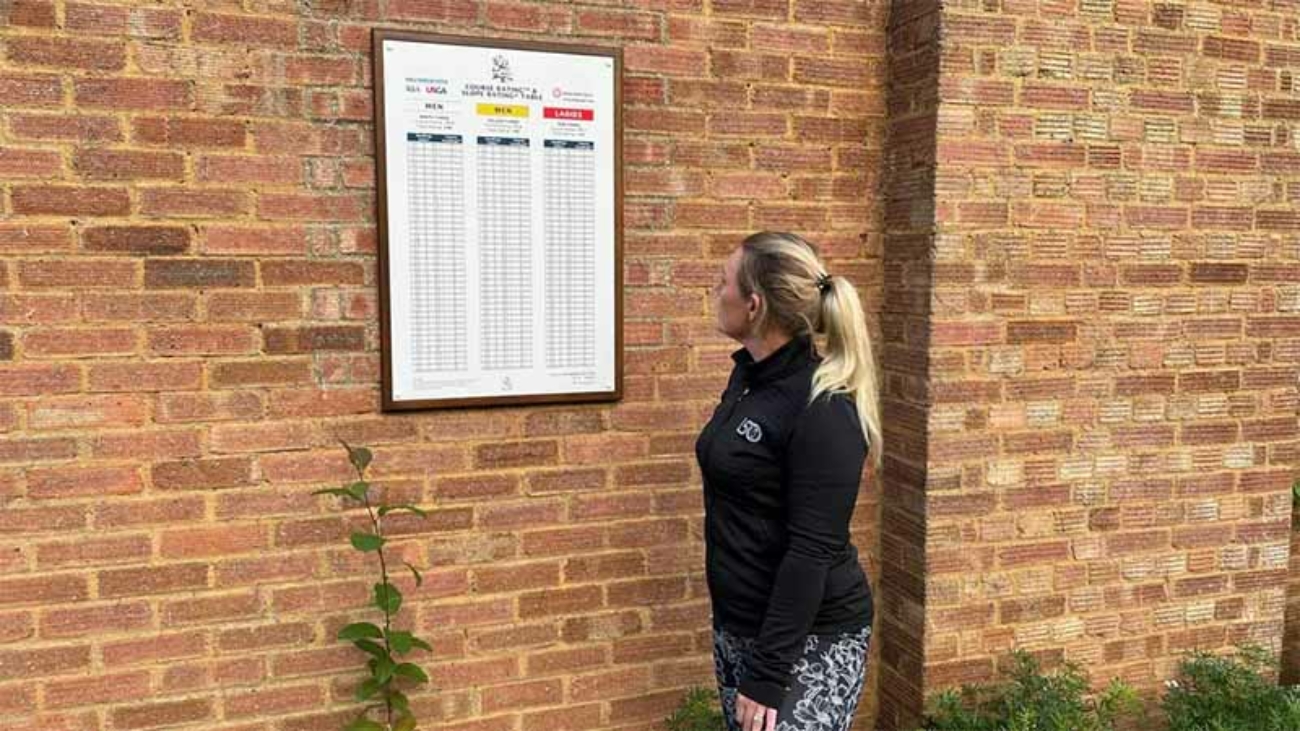
Why The World Handicap System Has Ruined Golf For Low Handicappers

Single figure golfer Carly Frost says the World Handicap System has caused a sensational and unpopular shake-up of handicaps

I’m not usually an outspoken person, but one thing I can say with absolute certainty is that I had far more fun playing competitive golf three years ago before the new World Handicap System (WHS) came into force.

Back then, things simply seemed fairer. Our handicaps were a truer reflection of our level of play, realistic and on the whole very accurate. I seldom spoke to a woman who felt her handicap was totally wrong. There was the odd club bandit but they were few and far between. Competitions were won with excellent, as opposed to extraordinary, scores.

I’m a low single figure handicapper who plays in two qualifiers a week, pretty much all year-round, course conditions and weather permitting. I’ve been in the prizes once this year – on the only day of the year the lowest two gross scores counted – our club championships. Yet look at the consistency of my week-in, week-out scores and a few years ago I would have won many more prizes.

My handicap has remained at 2, exactly where I started the year. On many occasions I scored 35 or 36 points in a stableford, that’s shooting just two-over-par, and was outside the top 10 and way off the prizes. A winning score has become virtually unachievable for me off my low handicap, up against women who have 20 or 30 shots more, but are perfectly capable of playing 10 under that handicap on their day and scoring 45 points or more.

Players who formerly had handicaps in the teens and are now in the mid-to-high twenties. Yet I’ve continued to pay my competition entry money each week and take part in every club competition because I have my own personal goals and aspirations. I want to continue to improve and stay competitive as in five years time, when I turn 50, I hope to compete on the England seniors circuit, and who knows, maybe even get a cap for my country.

Credits: Carly Frost

Despite winning the south-west intermediate championship as a 20-year-old I was never quite good enough to contend in the national events against big-hitting juniors. My best finish was a top-10 in the English Amateur Championship at Stoneham Golf Club in Hampshire, a course that suited my skilful short game, rather than rewarding the big bombers. The seniors is my chance to shine.

Yet I look at the handicaps required to get into the national events now and I’m staggered. Somebody suggested that I enter the English Amateur Championship this past summer as it was being played on my doorstep at Broadstone and Ferndown golf clubs in Dorset. My handicap was nowhere near low enough, unless you were a plus handicapper you didn’t get a spot.

How many of these supposed plus handicappers have come down three shots or more since the WHS came into effect I wonder? It would be interesting to do a poll of club players, analysing what their former handicaps were versus now. I tee up against these women in county matches and I think, “How did they get as low as that?” It’s actually very easy. Just go and play a short course, put in an extra day card and shoot in the sixties a few times and hey presto! But where’s the pleasure in that?

With the WHS it is definitely easy to manipulate your handicap. There’s no judge or jury looking at the scores submitted, so how can they really be trusted? Golf is a self-regulating game after all. On the flip side of the coin, it’s exciting to think that I could, in a matter of only a few good rounds (8 out of the last 20 in fact), now find myself playing off the lowest handicap of my life.

In my 30 years of playing this game it has always been my ambition to achieve that elusive scratch handicap. I’m very competitive and relish every opportunity to play, both stroke play and match play. It used to feel like I was only chipping away at my handicap to get down low (as a category one player in the old CONGU handicap model I used to only come down 0.1 for every shot under my handicap) – now I can come down a whole shot in a matter of weeks by playing consistently well. That’s certainly an exciting prospect!

The majority of women I play golf with don’t share this sentiment. They don’t have the same consistency or ability to go low and, as a result, have found that their handicaps have soared up. A run of poor golf will see your handicap index rocket very easily and quickly with the way the new WHS is designed. Many women are embarrassed by their new high handicaps. Often sad or ashamed that they have gone from the steady silver division to the higher bronze section.

Credits: Future

Such is the quantity of players now sitting in our club bronze team we can barely field a team for scratch matches anymore, and we have over 100 active women playing golf at my home club Parkstone in Dorset. The silver section (for handicaps 21 and under) used to be thriving. Instead it’s the bronze section that’s burgeoning now. As a result they’ve had to re-think the divisions at my club, with so many women competing for bronze prizes and so few for silver. It’s not just our club, it’s a problem I hear discussed among county delegates country-wide.

You may remember my rant last summer about playing in Opens. Things haven’t settled down. The scoring I’ve witnessed this year has remained spectacular. So I’ve stopped entering away days as too many women have realised that it pays to play off a higher handicap. They are playing the system by only putting in cards as and when they choose. That’s not how it was designed. You are supposed to put your scorecard in every time you play in order to get a true reflection of your ability.

I signed up to our summer club knock-out this year because I love match play, hoping to get through at least a few rounds. I got knocked out in the first stage by a woman who used to play off 17 and now has 25 shots. I had to give her 22 shots and was one-over-par gross when I lost on the 17th. I had played immaculate golf.

Our county inter-club competition has become a mockery. I used to play in these club matches with pride. I look back at the decades of pictures of me sporting my fuchsia pink club colours and feel sad that those days are gone. How many matches did I play in this summer? None. The simple reason is that clubs now field all their high handicappers so that they get given loads of shots. There’s no point in single figure players taking part.

As for grassroots girls golf, never before has it experienced a shock to the system quite like the jolt the World Handicap System has sent surging through it. I’m the regional press officer for the PGA and I speak to county and national coaches regularly. They are disgusted by the number of falsely handicapped juniors there are now. I hate to point the finger of blame but I think that parents have actively assisted their children to achieve the necessary low handicap on paper to get into the big events. These kids then turn up and shoot two scores in the eighties. It’s a joke.

Credits: Tom Miles

The other stupidity of the new system is that after a summer of consistent golf, which let’s face it was played in pretty perfect conditions, many of us are stuck on a low handicap for the whole winter because we’re now in what I call the silly season, playing mainly fun format competitions rather than qualifiers. Just put in extra day cards I hear you say. Indeed that is an option, however our course, like many, has a winter programme of works with holes shut making it impossible.

Our Lady Captain and England referee Sheila Waltham have been very proactive in asking me my opinion on what could be done to make competitions fairer for the handful of single figure players at the club, so that we don’t feel like outsiders.

I suggested that we could introduce a new Gold division for players off a handicap of 12 or better, so that we are competing against our low handicap peers. Another solution is to introduce more scratch competitions. We had an open mic meeting about this at prize-giving after our club championship. The unanimous feeling in the room was that this would be a waste of time as no-one would enter. Our club has an ageing demographic of women whose handicaps are really only getting higher.

In the meantime, the handful of low handicappers like me who feel that competitions are no longer fair, are starting to consider why they belong to a club. If things carry on like this we will lose the members we want the most, the younger players whose handicaps are coming down. This to me is a sad situation and one that certainly needs addressing.

Women who have been around the game for 20+ years are questioning why we can’t just go back to the way things were? The old CONGU handicap system worked well. What you have to realize is that the new WHS is the result of a partnership between the USGA and the R&A – the game’s two big governing bodies. They have invested too much in the concept to make golf a global game to go back. The new system has been adopted by more than 100 federations across the globe. So the reality is, as much as those like me are opposed to the new WHS, we are simply not going back. We have to find solutions now using the new system to make things fair for all who play. For the future of the game we love.

Carly Frost authored and published this article on Golf Monthly.

Bally Golf Links Ferry Point

Beyond the Cityscape: Bally’s Golf Links at Ferry Point in NYC Review

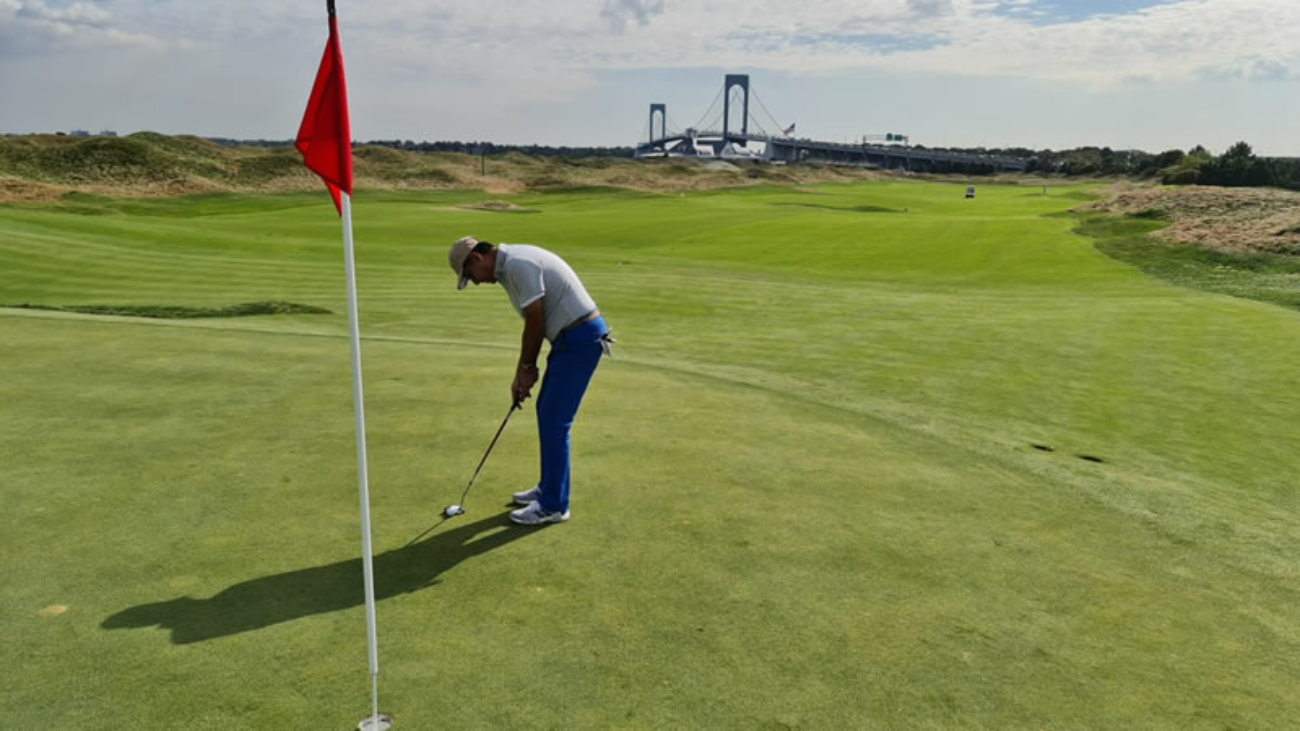
Bally’s Golf Links at Ferry Point is an exceptional golf course that beautifully combines stunning natural landscapes with a challenging and well-designed layout. Located in the Bronx, New York, this golf course offers a unique and unforgettable golfing experience.

The first thing that strikes you when you arrive at Ferry Point is the picturesque setting. Situated along the shores of the East River, the course boasts breathtaking views of the Manhattan skyline, making it one of the most scenic golf courses in the entire New York City area. The combination of modern cityscape and pristine nature is truly awe-inspiring.

The golf course itself is a Jack Nicklaus Signature Design, which means it has been expertly crafted to provide golfers with a challenging yet enjoyable round. Bally’s Golf Links at Ferry Point spans over 7,400 yards, offering a variety of tee options to accommodate golfers of all skill levels. The fairways are meticulously manicured, and the greens are fast and true, providing a fantastic playing surface.

The layout of the course is both strategic and demanding. The fairways are relatively tight, but strategically placed bunkers and water hazards come into play on many holes, making shot placement crucial. Nicklaus’s design philosophy becomes evident as you navigate the course, with each hole presenting a unique blend of strategy and demand. The par-3s are particularly impressive, with stunning views and challenging distances, while the par-4s and par-5s offer a mix of shot-making opportunities and risk-reward scenarios.

Service at Ferry Point is top-notch, with a friendly and accommodating staff that goes out of their way to make your golfing experience enjoyable. The clubhouse is elegant and offers excellent dining options, making it a perfect place to unwind after a round of golf.

One potential drawback of Bally’s Golf Links at Ferry Point is the price. It’s a premium golf course, even though it is designated as a public course yet the green fees can be on the higher side. However, for the quality of the course, the service, and the unique setting, many golfers find it well worth the investment. I was in New York for a short visit and got the Tee off time booking for in early afternoon. But the starters at Ferry point were kind enough to adjust me for an earlier T off time.

Tight fairways and definite penalty (once you miss the fairway) due to thick bushes make it a tough course to score. As for an average golfer missing the fairway, which will happen a lot, means either losing the ball or getting an unplayable lie, for sure adding a couple of strokes to your score card.

And then, there’s the renowned 18th hole, a masterpiece that brilliantly encapsulates the essence of Ferry Point. This par-4 demands a strategic yet daring approach, with water hazards and bunkers strategically placed to test your mettle. The risk-reward scenario adds an extra layer of excitement to this concluding hole, ensuring that your round concludes on a memorable and exhilarating note.

In conclusion, Bally’s Golf Links at Ferry Point is a must play golf course for golf enthusiasts.. Its combination of a challenging layout, stunning views, and impeccable service make it a standout golf course. While it may not be the most budget-friendly option, the experience it provides is truly unforgettable. Whether you’re a local resident or a visitor to the city, playing a round at Ferry Point is an opportunity you won’t want to miss.

Author: Shoaeb Shams

mental health

Mastering the Mind Game: Golf Strategies for Mental Excellence in Golf

Improving your mental state in golf is as crucial as refining your swing or putting skills. Golf is a game of
patience, concentration, and self-awareness, and mental strength can significantly influence your
performance. Here are some golf strategies to enhance your mental state:

Staying in the Present: one of the best from all golf strategies

The essence of golf lies in the present moment. It’s easy to get caught up reminiscing about the last poor
shot or dreading the challenging hole ahead. But, these thoughts disrupt focus. By anchoring yourself in
the present, concentrating only on the current shot, you remove unnecessary pressure, allowing for a
more natural, fluid swing.

The Power of a Pre-Shot Routine
Consistency breeds familiarity and comfort. Developing a pre-shot routine—whether it’s a specific number
of practice swings, a deep breath, or adjusting your grip—helps you establish a comforting familiarity. This
ritual not only prepares your body but also signals your brain to concentrate, blocking external
distractions.

Visualization Techniques
Our mind is a powerful tool. Before taking your shot, close your eyes and paint a mental picture of the
ball’s trajectory and its perfect landing spot. This act of positive visualization instills confidence, preparing
both your mind and body for success.

Managing Expectations
Perfection is elusive, especially in golf. Every golfer, from novices to professionals, makes mistakes.
Understanding and accepting this fact liberates you from the chains of perfectionism. When you step onto
the course with realistic expectations, you’re less likely to feel deflated by occasional mishits.

Controlled Breathing
Anxiety, excitement, or nervousness can lead to shallow, rapid breathing, which disrupts focus. Engage in
deep, diaphragmatic breathing, feeling your stomach rise and fall. This simple act has a calming effect,
steadying your heart rate and refining focus.

Positive Self-Talk
The dialogue you have with yourself on the course shapes your performance. Negative self-talk—dwelling
on mistakes or fearing failure—can sabotage even the most skilled golfer. Challenge these negative
thoughts, replacing them with positive affirmations. Celebrate small victories and remind yourself of past
successes.

Play One Hole at a Time
It’s tempting to mentally calculate your potential score or to think three holes ahead. Resist this urge. Take
the course one hole at a time. By compartmentalizing your game, you channel all your energy and focus
into the task at hand.

Embracing Mindfulness
The principles of mindfulness—being in the moment without judgment—align perfectly with the mental
demands of golf. Regular meditation practices, even if for a few minutes daily, can help improve
concentration, awareness, and emotional regulation, all crucial for golf.

Process Over Outcome
While it’s natural to aim for a specific score, sometimes this goal-oriented approach adds undue pressure.
Instead, focus on the process: the stance, the grip, the swing rhythm. Perfecting these will naturally lead
to better outcomes.

The Value of Preparation
A robust mental state often springs from confidence. And confidence? That’s a byproduct of relentless
practice. When you’re confident in your skills, thanks to countless practice hours, it reduces anxiety and
boosts mental resilience.

Embracing Acceptance
Golf is unpredictable. A sudden gust of wind, an unexpected divot in the ground—these are beyond your
control. Cultivate a mindset of acceptance. Adapt, adjust, and move forward without dwelling on these uncontrollables.

Physical Fitness
A sharp mind requires a fit body. Regular cardiovascular exercise boosts stamina, ensuring you remain
mentally alert even in the final holes. Additionally, a fit body reduces fatigue-induced errors, enhancing
overall performance.

The Role of a Sports Psychologist
If mental blocks persist, consider seeking a sports psychologist. These professionals offer tools, strategies,
and perspectives tailored to your unique challenges, helping you unlock your mental potential.

Nutrition and Hydration
Mental clarity is often linked to nutrition and hydration. A dehydrated golfer is prone to fatigue, reduced
concentration, and impaired decision-making. Ensure you’re sipping water throughout and have energy boosting snacks on hand.

Limiting Comparisons
Every golfer’s journey is unique. While it’s natural to compare scores or techniques, remember that golf is
as much about personal growth as it is about competition. Celebrate your milestones, no matter how they
stack up against others.

Remember, mental fortitude is a skill just like any other aspect of golf. It requires awareness, practice, and
patience these golf strategies will help you excel your game. Over time, with consistent effort, you can improve your mental game and enjoy better performance on the course.

Untitled-1

How to play golf in the cold: 8 tips for conquering winter golf

Cold weather doesn’t have to end your golf season. While winter conditions can make the game more challenging, the right preparation and mindset can keep you playing well even when temperatures drop. With a few adjustments to your equipment, strategy, and routine, you can stay comfortable and still enjoy the game.

Here are eight practical tips to help you handle winter golf.

1. Layer your clothing properly

Staying warm is essential, but bulky clothing can restrict your swing. The key is layering lightweight, flexible fabrics. Start with a thermal base layer that retains heat while wicking away moisture. Add a mid-layer such as a fleece for insulation, and finish with a windproof jacket if necessary.

Golf-specific winter apparel is designed to allow full movement while protecting you from the elements.

2. Keep your hands warm

Cold hands make it difficult to maintain a good grip on the club. Winter golf gloves or thermal mitts can help keep your hands warm between shots.

Many golfers also carry hand warmers in their pockets to maintain warmth throughout the round. Warm hands help preserve feel and control, which are critical for solid contact.

3. Expect the ball to travel shorter

Cold air is denser than warm air, which means the golf ball will not travel as far. In winter conditions, you may lose anywhere from five to fifteen yards, depending on the temperature.

Adjust by taking one or two extra clubs for most approach shots. Accepting the shorter distances helps prevent frustration and keeps your course management realistic.

4. Warm up before you tee off

Cold muscles are more prone to injury and stiffness. Spend a few extra minutes stretching before your round to loosen your shoulders, back, and hips.

If possible, hit a few practice balls to get your swing moving before stepping onto the first tee. Even light movement can help your body adjust to the cold.

5. Walk when possible

Walking the course helps keep your body warm and loose throughout the round. Riding in a cart can make you feel colder, especially when exposed to wind between shots.

If conditions allow, walking is often the better option for maintaining both warmth and rhythm.

6. Protect your golf balls

Golf balls lose performance when they become too cold. Try to keep spare balls in your pocket so they stay warmer than those sitting in the bag.

Rotating balls during the round can help maintain better compression and distance.

7. Adjust your swing expectations

Winter golf often means slower greens, wet fairways, and unpredictable lies. Accepting these conditions will help you stay patient and focused.

Instead of chasing perfect shots, concentrate on solid contact and smart course management. A smoother, controlled swing often works better than trying to force distance.

8. Stay hydrated and energized

Cold weather can trick you into thinking hydration isn’t important, but your body still needs fluids during a round. Bring water and small snacks to keep your energy up.

Maintaining energy levels will help you stay focused and comfortable throughout the round.

Enjoy the challenge

Winter golf may require a few extra adjustments, but it can also be rewarding. Courses are often quieter, rounds move faster, and the crisp air can make for a refreshing experience.

With the right preparation and attitude, cold weather doesn’t have to stop you from enjoying the game. Instead, it becomes another challenge to conquer on the course.

Ryder Cup 2023 Photos

Ryder Cup 2023: Europe lead US 6½-1½ after day one at Marco Simone Golf and Country Club

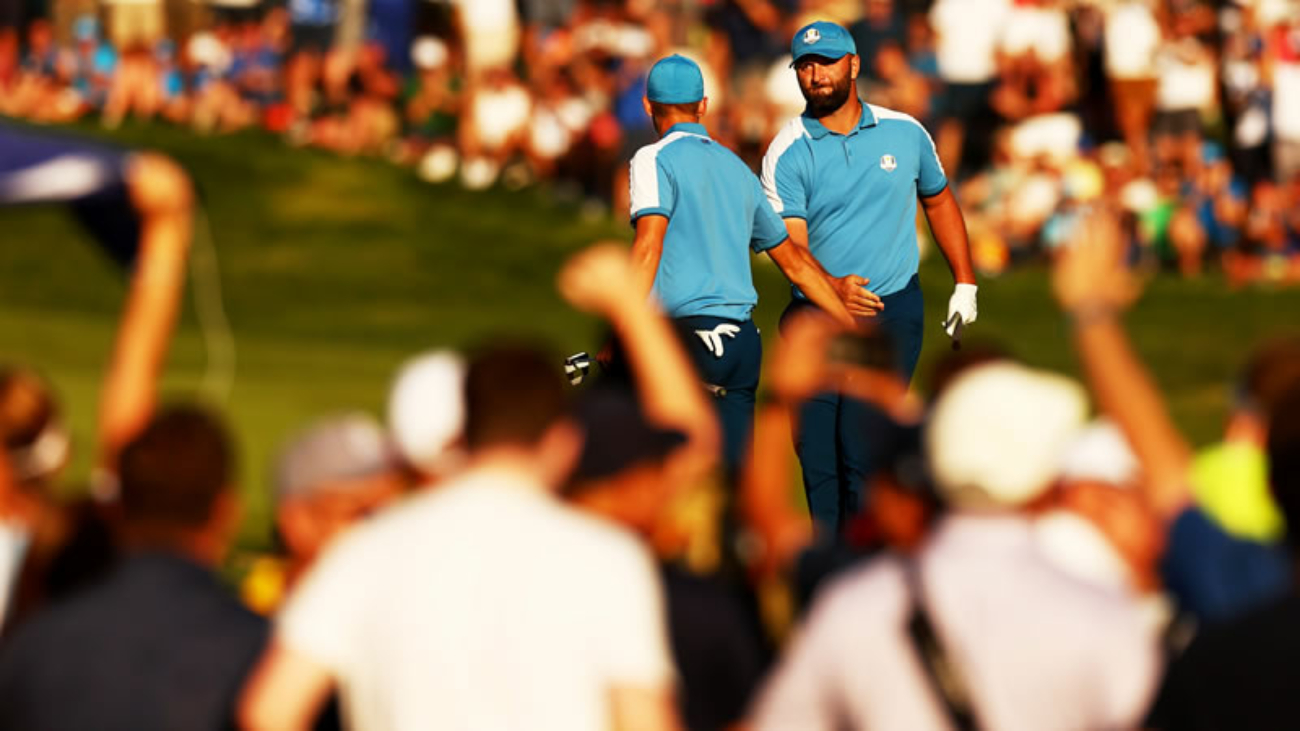
Europe hold a “sensational” 6½-1½ lead over the United States after a stunning opening day of the Ryder Cup in Rome.

The hosts swept the morning session for the first time to race into a 4-0 lead and held off a spirited US fightback to win 2½ -1½ in the afternoon.

Viktor Hovland, Jon Rahm and Justin Rose all crucially holed putts on the 18th to pick up half points for Europe.

And England’s Matt Fitzpatrick, playing with Rory McIlroy, secured his first Ryder Cup point in a memorable 5&3 win.

Fitzpatrick, the 2022 US Open champion, rattled off four birdies and an eagle from the second hole to put his pairing firmly in command of the bottom match against Xander Schauffele and Collin Morikawa.

McIlroy also knocked in a birdie of his own on the seventh as they reached six up.

It ended a run of five defeats in his previous two appearances for Fitzpatrick, while McIlroy picked up his second point of the day, after earlier partnering Tommy Fleetwood to victory.

Ryder Cup 2023 scores and playing stats

“Those putts by Viktor, Jon and Rose make a huge difference,” Europe captain Luke Donald told BBC Sport.

“It was sensational, a dream start for us. This morning was an amazing performance by the guys and this afternoon was tough.

“The US came back, we knew they would. They had a stretch there in the middle where the momentum was turning their way but man, did we turn it back.”

US captain Zach Johnson said he had been “proud” of his team’s “fight and character”, insisting “our time’s coming”.

“It looks like the European team executed golf shots a little bit better than we did, and that’s golf, so you tip the cap to Luke [Donald] and his team,” he added.

It was, however, the first time the US have not won a single match in a day and it is the joint-highest lead after day one, level with Europe in 2004 and the US in 1975.

“The fact that the Americans didn’t win a full point was incredible and just shows the heart, grit and determination that the European team has,” McIlroy told BBC Sport Northern Ireland.

“We have a ton of momentum and we’ll try to ride the crowd’s energy to win both sessions [on Saturday].”

That momentum was carried over from an electric atmosphere in the morning session that amped up 30 minutes before the first balls were struck.

Five-thousand fans packed into the stand surrounding the first tee, with thousands more lining the fairway on both sides all the way up to the first green.

The hosts were sensational from the off and the leaderboard was all blue from the moment McIlroy holed a birdie putt on the fourth as Donald’s men produced the fast start he had craved.

To illustrate Europe’s dominance, they did not trail in any match and won 22 holes to the Americans’ 10 as the defending champions suffered a demoralising morning.

Rahm and Tyrrell Hatton won the top match and their 4&3 win was equalled by Hovland and Ludvig Aberg.

Shane Lowry and Sepp Straka were 2&1 victors, while in the bottom match McIlroy and Fleetwood also came through 2&1, as Europe won all four opening session matches for the first time.

How the afternoon session unfolded

It was a different story in the second session. Aside from Fitzpatrick and McIlroy’s romp, the other afternoon matches were all more tense affairs that the US, arguably, could and should have won given they led late on in all three.

Wildcard picks and best friends Jordan Spieth and Justin Thomas, protecting a 100% record in fourballs, had been sent out first by US skipper Zach Johnson.

And when Thomas birdied the sixth hole, they gave the US a first lead in any match – an astonishing six-and-a-half hours after the first shot had been hit at Marco Simone Golf and Country Club.

The Americans looked to be cruising to a first full point at two up with five to play against Hovland and Hatton but then errors, which have blighted both their games in recent times, crept in.

That opened the door for Hatton and his birdies at the 14th and 16th holes to level the match were heartily welcomed by the majority of the estimated 55,000-strong crowd.

Hovland then holed from 25ft for a birdie at the last, gravity helping his ball drop into the hole with its final revolution. It proved crucial because Thomas was only 4ft away and he duly registered the first US half point.

The following match was equally tight, with Rahm and Nicolai Hojgaard pegged back from two up after eight to all square by world number one Scottie Scheffler with wins on holes 10 and 11.

Brooks Koepka edged the Americans in front with a birdie on 15, but Rahm holed his second chip-in of the day to win the par-four 16th with an eagle.

The Spaniard’s wild celebrations were matched by an unusually animated Scheffler after he won the 17th to put the Americans one up with one to play and guarantee at least another half point.

A half point is all they would get though after Rahm produced another eagle to win the 18th, ramming a 33-footer into the hole at pace.

“There was definitely a bit of Seve magic on that one,” said Rahm, referring to the late Seve Ballesteros, who has a space dedicated to him in the European team’s dressing room.

“He definitely pulled that one towards the hole.”

Koepka, meanwhile, complained about Rahm’s behaviour on the course, saying: “I want to hit a board and pout just like Jon Rahm did. But, you know, it is what it is. Act like a child. But we’re adults. We move on.”

It is not clear what the Spaniard did, or on which hole, to attract the ire of his opponent.

That left one match out on the course, with Rose – partnered by Scotland’s Bob MacIntyre – at his grinding best, refusing to allow Americans Max Homa and Wyndham Clark breathing space.

Three times he won a hole on the back nine to reduce the deficit to one.

The final time was with a par on the 17th to send the match down the 18th and Rose nailed an eight-footer, before beating his chest in a fashion reminiscent of Ian Poulter, as he gave Europe a five-point lead after day one.

Saturday’s foursomes announced

Donald has kept with the same foursomes pairings for Saturday morning that were so successful on Friday.

McIlroy and Fleetwood will be first out and face Spieth and Thomas at 06:35 BST, while Hovland and rookie Aberg will play Scheffler and Koepka.

Lowry and Straka are in match three against Homa and Brian Harman, with Rahm and Hatton facing Patrick Cantlay and Schauffele in the final game.

Europe need 14½ points to regain the Ryder Cup, with the US requiring 14 to retain it.

tech

Technological Developments That Are Directly Impacting the Golf Industry

The game of golf has evolved dramatically over the years, with technological advancements playing a significant role in shaping the sport. Golf enthusiasts have witnessed the introduction of new and innovative equipment, training tools, and digital solutions that have transformed the way golfers play, practice, and even watch the game. In this article, we will explore various technological developments that have directly impacted the golf industry and discuss their implications on the sport.

Digital Connectivity and Mobile Apps

Apps for booking tee times and tracking scores – Golf-related apps have transformed the way golfers book tee times, track their scores, and engage with the sport. These apps provide convenient access to course information, availability, and pricing, making it easier than ever for golfers to schedule their rounds and stay organized.

Real-time weather updates – Weather apps and real-time weather updates have become an essential tool for golfers, helping them plan their rounds and make informed decisions on the course. By providing up-to-date information on temperature, precipitation, and wind conditions, golfers can better prepare for any weather-related challenges they may face during their round.

Convenient Sports Betting Apps – With the emergence of sports betting apps, even the betting aspect of golf has seen considerable growth and innovation, as evidenced by the resources available on review websites. Sports betting apps allow for the ultimate seamless betting experience where players can find the highest levels of convenience and usability to place wagers on the go through their mobile device

Golf Equipment Advancements

Innovative Materials and Engineering in Golf Clubs – Over the years, golf clubs have undergone significant changes in terms of design, materials, and engineering. The shift from wooden clubs to steel and eventually to advanced materials like titanium, carbon fiber, and tungsten has allowed for lighter, stronger, and more forgiving clubs. These advanced materials have enabled manufacturers to create clubs with larger sweet spots, reduced weight, and improved aerodynamics, ultimately leading to increased swing speeds and greater distance.

Adjustable Clubheads and Custom Fitting – Another major advancement in golf equipment technology is the introduction of adjustable clubheads. This feature allows golfers to fine-tune their clubs according to their swing characteristics, preferences, and playing conditions. With adjustable weights, lofts, and lie angles, golfers can now achieve optimal launch conditions, spin rates, and shot shapes, resulting in enhanced performance on the course. Custom fitting has also become increasingly popular, with manufacturers offering a wide range of options to suit individual golfer’s needs, including shaft flex, length, and grip size.

Advanced Golf Ball Technology – Golf ball technology has also seen significant progress in recent years. The development of multi-layer construction, soft urethane covers, and aerodynamically optimized dimple patterns has resulted in golf balls that offer a combination of distance, control, and feel. These advancements have enabled golfers to optimize their ball choice based on their swing speed, launch conditions, and desired performance characteristics, allowing them to achieve better overall results on the course.

Swing Analysis Technology

High-speed cameras and launch monitors – High-speed cameras and launch monitors have become essential tools in modern golf instruction and training. These devices capture and analyze the golf swing at high frame rates, providing detailed information on clubhead speed, swing plane, and impact position. This data enables golfers and coaches to identify and correct any swing flaws, leading to improved technique and performance.

Pressure-sensitive mats – Pressure-sensitive mats, also known as force plates, measure the distribution of a golfer’s weight and pressure throughout the swing. This technology provides valuable insights into the golfer’s balance, weight transfer, and ground force generation. By analyzing this data, golfers can make adjustments to their stance and movement patterns, ultimately improving their swing efficiency and power.

Impact on players’ technique and performance – The use of swing analysis technology has had a profound impact on golfers’ technique and performance. By providing instant feedback and actionable insights, players can make targeted improvements to their swings, leading to more consistent ball striking and increased distance. As a result, golfers of all skill levels can benefit from these technological advancements, helping them reach their full potential on the golf course.

Golf Course Management

Advanced irrigation systems – Modern golf courses are now equipped with advanced irrigation systems that use computerized controls and sensors to monitor soil moisture levels and optimize water usage. This technology enables course managers to maintain optimal playing conditions while conserving water and reducing costs.

GPS-guided mowers – GPS-guided mowers have revolutionized golf course maintenance by automating the mowing process and ensuring consistent cutting heights across the course. These mowers use GPS technology to follow pre-programmed routes, resulting in more precise and efficient maintenance practices.

Drone technology for course maintenance – Drones have become a valuable tool for golf course maintenance, providing aerial imagery and data on course conditions. This information can help course managers identify problem areas, assess turf health, and plan maintenance activities more effectively. Drones can also be used to monitor wildlife habitats and ensure environmental compliance.

Live Streaming and Virtual Reality

Watching golf tournaments through live streaming – Live streaming has made it possible for golf fans to watch their favorite tournaments from anywhere in the world. Golf enthusiasts no longer need to rely on television broadcasts, as they can now access real-time coverage of events through various online platforms and mobile devices. This increased accessibility has broadened the sport’s global audience and allowed fans to stay connected to the action in a more convenient way.

Virtual reality experiences for golf fans – Virtual reality (VR) technology has opened up new possibilities for golf fans to immerse themselves in the sport. Through VR headsets, fans can experience being on the golf course, walking alongside professional players, and even practicing their swing in a virtual environment. These immersive experiences bring fans closer to the action and provide unique perspectives that traditional media cannot offer.

Practice and simulation through VR technology – VR technology has also made its way into golf practice and training. Golf simulators equipped with VR capabilities allow players to practice their swing and improve their game in a controlled environment. These virtual experiences can mimic real-world course conditions, helping golfers develop their skills and prepare for actual competition.

Wearable Technology

Smartwatches and fitness trackers for golfers – Wearable technology, such as smartwatches and fitness trackers, has become increasingly popular among golfers. These devices can track various performance metrics, including swing speed, heart rate, and calories burned, allowing golfers to monitor their progress and set personalized goals. Some wearables even offer built-in GPS features to provide accurate yardages and course information.

Insights into performance and health – By collecting and analyzing data on a golfer’s performance and health, wearable technology can provide valuable insights to improve their game. Golfers can use this information to identify areas of weakness, make adjustments to their technique, and develop targeted training programs. Wearable technology also promotes better awareness of overall health and well-being, helping golfers stay in peak physical condition.

Impact on training and overall well-being – Wearable technology has transformed how golfers train, practice, and maintain their health. The data and insights provided by these devices allow players to make informed decisions about their training regimens, leading to more efficient and effective practice sessions. Additionally, the focus on overall well-being encourages golfers to prioritize self-care and maintain a healthy lifestyle, both on and off the course.

Environmental Sustainability
Solar-powered golf carts – Solar-powered golf carts have emerged as an eco-friendly alternative to traditional gas-powered carts. These vehicles harness solar energy through rooftop panels, reducing their reliance on fossil fuels and lowering their carbon footprint. Solar-powered carts not only benefit the environment but also help golf courses save on energy costs.

Water-conserving irrigation systems – As mentioned earlier, advanced irrigation systems have revolutionized golf course management by optimizing water usage. Water-conserving irrigation systems use sensors and computerized controls to distribute water more efficiently, maintaining optimal playing conditions while reducing waste and conserving resources.

Use of drones for monitoring course conditions – Drones play a vital role in monitoring course conditions and ensuring environmental sustainability. Equipped with cameras and sensors, drones can assess turf health, identify areas that need attention, and monitor wildlife habitats. This information allows course managers to make informed decisions regarding maintenance and environmental conservation efforts.

Future Technological Developments
Potential advancements in golf technology – The future of golf technology holds even more exciting possibilities. Advancements in artificial intelligence, robotics, and augmented reality could lead to further innovations in golf equipment, training, and course management. These emerging technologies have the potential to enhance the golfing experience and help the industry evolve in new and unexpected ways.

Impact on the golf industry and fan experience – As technology continues to advance, its impact on the golf industry and fan experience will be profound. Innovations in equipment, training, and course management will elevate the sport to new heights, attracting more players and enthusiasts. Golf courses will become more efficient and environmentally friendly, while fans will enjoy unprecedented access to the sport through digital platforms and immersive experiences. Ultimately, these technological advancements will reshape the golf landscape and redefine what it means to be a fan, player, and industry stakeholder.

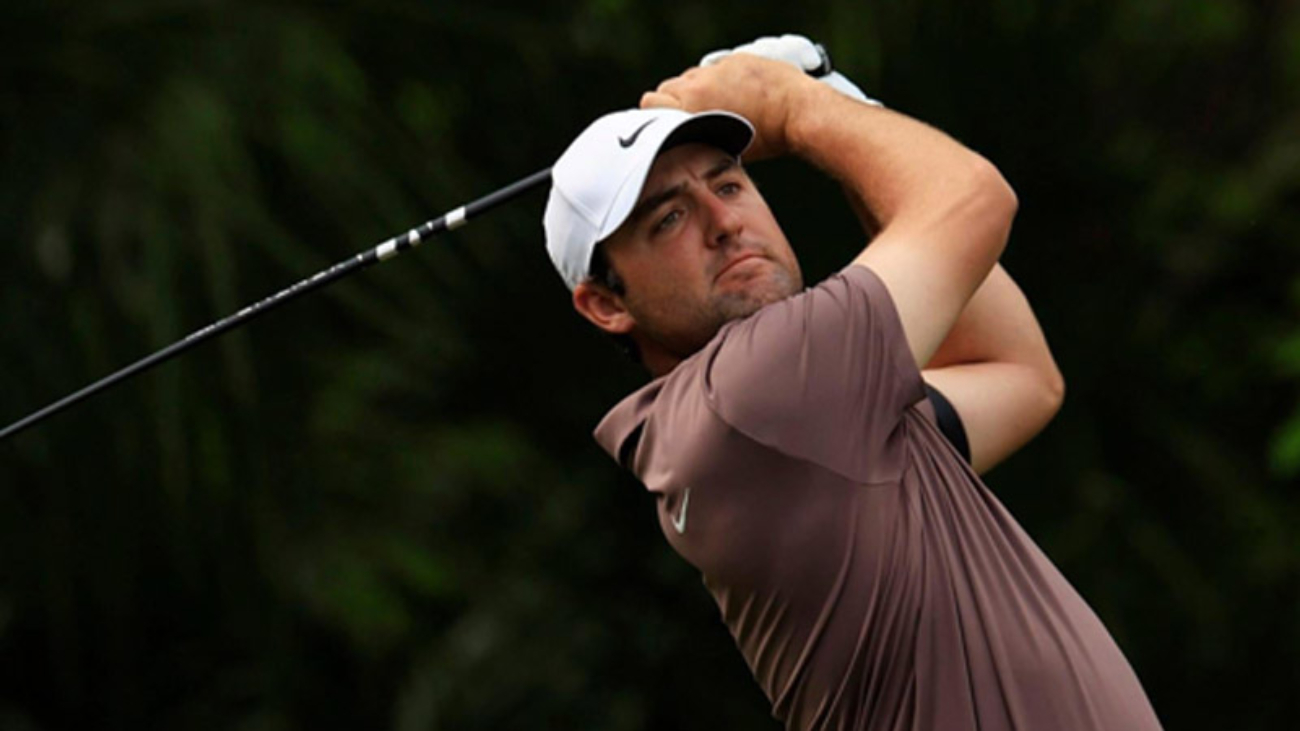
The Open

Unleashing the Spirit of Golf: The Open Championship Through the Years

The Open Championship, often referred to simply as The Open, is the oldest and one of the most prestigious golf championships in the world. It has a rich and storied history that dates back to the 19th century, captivating golfers and fans alike with its tradition, challenges, and memorable moments. Let’s explore the history of The Open Championship:

Origins and Early Years:

The inaugural Open Championship took place in 1860 at Prestwick Golf Club in Scotland. The tournament was organized by the Prestwick Golf Club’s captain, Allan Robertson, and professional golfer Tom Morris Sr. It featured a field of just eight golfers who played three rounds on the twelve-hole Prestwick course. Willie Park Sr., one of the prominent early golfers, emerged as the champion, claiming the Challenge Belt.

The Claret Jug and the Expansion:

In 1872, the original Challenge Belt was replaced with the now-iconic Claret Jug, which remains the trophy awarded to the winner of The Open Championship to this day. The tournament grew in popularity and expanded to include more players from across the United Kingdom. Prestigious golf courses such as St Andrews, Muirfield, and Royal St George’s became regular hosts for the championship.

Early Dominance and the Rise of Young Talent:

From the late 19th century to the early 20th century, a handful of golfers dominated The Open Championship. Legendary figures like Harry Vardon, James Braid, and John Henry Taylor etched their names in golf history with their multiple victories. Known as the “Great Triumvirate,” they combined for a total of 16 Open Championship titles between 1894 and 1914.

Post-War Era and Global Expansion:

After a hiatus due to the two World Wars, The Open Championship resumed in 1920. The tournament expanded its international reach, welcoming players from around the world. Golfers from the United States started participating and achieving success, with notable champions like Walter Hagen, Bobby Jones, and Ben Hogan leaving their mark on the championship.

Modern Era and Iconic Moments:

In recent decades, The Open Championship has witnessed numerous memorable moments. In 1977, Tom Watson and Jack Nicklaus engaged in the famous “Duel in the Sun” at Turnberry, producing a thrilling battle for the ages. The championship has also seen international players such as Seve Ballesteros, Greg Norman, and Tiger Woods leaving an indelible impact with their triumphs.

Continued Prestige and Tradition:

Today, The Open Championship maintains its status as one of golf’s most prestigious events. It is considered one of the four major championships in professional golf, attracting the world’s best players. The tournament continues to rotate among various renowned golf courses in the United Kingdom, providing a unique test of skill, strategy, and adaptability to changing weather conditions.

With its rich history spanning over a century and a half, The Open Championship holds a special place in golf lore. Each year, the championship brings together golfers and fans from around the globe to witness the pursuit of the Claret Jug and the continuation of a tradition that celebrates the spirit of the game.

List of recent winners of The Open Championship from 2010 to 2022:

2022 – Cameron Smith (Australia)
2021 – Collin Morikawa (United States)
2020 – Canceled due to the COVID-19 pandemic
2019 – Shane Lowry (Ireland)
2018 – Francesco Molinari (Italy)
2017 – Jordan Spieth (United States)
2016 – Henrik Stenson (Sweden)
2015 – Zach Johnson (United States)
2014 – Rory McIlroy (Northern Ireland)
2013 – Phil Mickelson (United States)
2012 – Ernie Els (South Africa)
2011 – Darren Clarke (Northern Ireland)
2010 – Louis Oosthuizen (South Africa)