Credits: mb

Rory’s Run and the PGA Tour Dream: The Stakes are Immense in the DP World Finale

The 2024–25 DP World Tour season reaches its conclusion this week in Dubai, where the stakes extend far beyond a single tournament purse. The DP World Tour Championship is not only a $10 million event but also the final stage of the Race to Dubai, where the season’s best golfer will be crowned, and several careers could change overnight.

Played at Jumeirah Golf Estates, the championship traditionally serves as the Tour’s grand finale. Since the Order of Merit was replaced by the Race to Dubai in 2009, the event has remained the focal point of the European schedule. The Earth Course, designed by Greg Norman, once again provides the stage for the final act of the season.

The Prize: Money, Prestige, and Opportunity

The DP World Tour Championship is one of the most lucrative events on the schedule. It features a 72-hole format with no cut and a total purse of $10 million. The tournament winner will collect $3 million.

Alongside the tournament trophy, the season-long Race to Dubai champion will receive the prestigious Harry Vardon Trophy. The Race to Dubai also carries a $6 million bonus pool, with $1.5 million awarded to the player who finishes first in the final standings.

For many competitors, the most significant reward goes beyond money. The top 10 players in the final Race to Dubai rankings who have not already qualified will earn PGA Tour cards for the 2026 season. That opportunity can instantly transform a player’s career, providing access to golf’s biggest events and larger prize purses.

The Field: Elite Talent with a Few Absences

The tournament field consists of the top 50 players in the Race to Dubai standings. In addition, Ryder Cup stars Ludvig Åberg and Shane Lowry received special invitations.

Despite the strong lineup, several notable players are absent. Jon Rahm is skipping the event after a demanding season. Viktor Hovland is still recovering from a neck injury sustained during the Ryder Cup and will miss the tournament. Sepp Straka is also absent due to a family matter.

Among the top 50 players in the standings, Hovland is the only one not competing this week.

Race to Dubai: McIlroy Leads the Chase

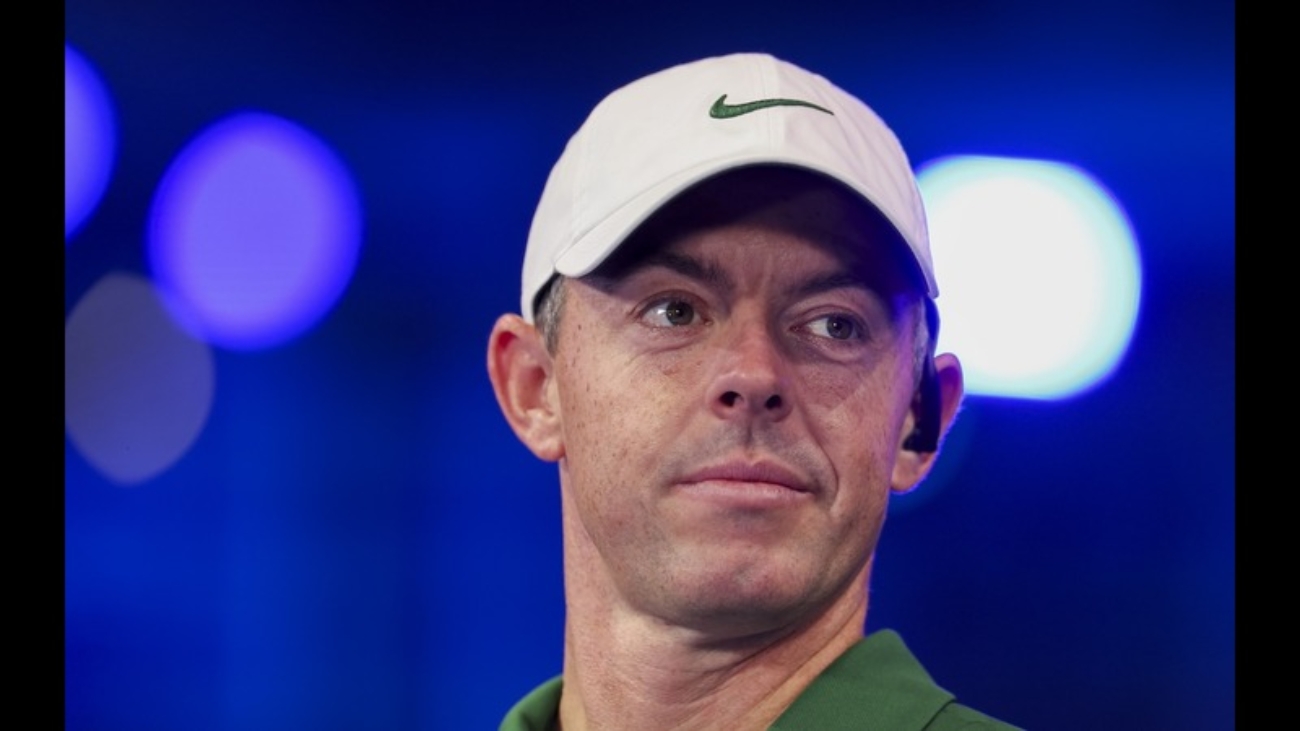
Much of the attention centers on Rory McIlroy, who arrives in Dubai leading the Race to Dubai standings. His season includes major highlights such as victories at the Masters and the Irish Open, as well as a third-place finish at last week’s Abu Dhabi event, where he recorded his lowest-ever round on the DP World Tour.

McIlroy has a strong history at Jumeirah Golf Estates and believes the course suits his game well. He is pursuing several milestones this week.

A victory would secure his fourth consecutive Race to Dubai title. It would also mark his seventh overall Order of Merit triumph, placing him just one title behind Colin Montgomerie’s record of eight. McIlroy is also the defending champion of the DP World Tour Championship, having won the tournament three times.

Only two players still have a realistic chance of catching him.

Marco Penge has emerged as one of the breakout players of the season. With three wins in 2025, including the Spanish Open, he sits second in the standings and has nearly secured his PGA Tour card.

Tyrrell Hatton also remains mathematically in contention. Although he has spent much of the season competing on LIV Golf, his victory in Dubai earlier in the year keeps him within reach.

For McIlroy, the scenario is straightforward: a win or runner-up finish guarantees the Race to Dubai title. Penge would need at least a tie for second to apply pressure, while Hatton must win and rely on other results going his way.

The Battle for PGA Tour Cards

Another compelling storyline is the race for the 10 PGA Tour cards available through the Race to Dubai standings.

Marco Penge is almost certain to secure one of the spots. The other players currently occupying qualifying positions include Kristoffer Reitan, Adrien Saddier, John Parry, Alex Noren, Laurie Canter, Haotong Li, Daniel Brown, Keita Nakajima, and Jordan Smith.

However, with the final tournament offering significant ranking points, the standings could still change dramatically. A strong performance in Dubai could push a player into the top 10 and secure a PGA Tour card for 2026.

With the season’s final event underway, the DP World Tour Championship promises high drama. For some players, it’s a chance to add another trophy to their collection. For others, it may be the moment that launches the next chapter of their careers.
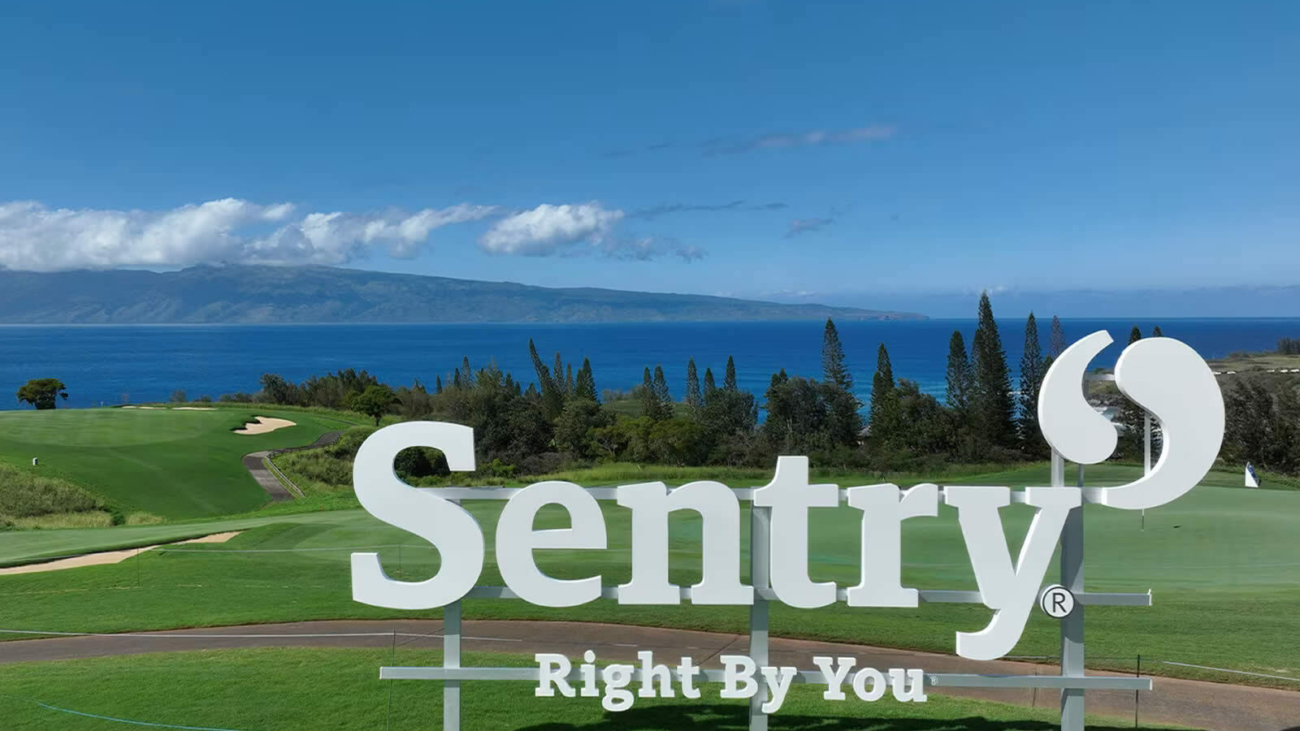
The Sentry PGA Tour

PGA Tour Cancels 2026 Season Opener, The Sentry, Amid Maui Drought Crisis

The PGA Tour, in partnership with Sentry Insurance, has announced the cancellation of The Sentry for the 2026 season due to ongoing drought conditions and strict water restrictions on the island of Maui.

The $20 million Signature Event traditionally opens the PGA Tour calendar each January at Kapalua’s Plantation Course. Its removal from the schedule marks the first time a PGA Tour event has been cancelled for reasons unrelated to the COVID-19 pandemic since 2020.

Kapalua Course Conditions Force Cancellation

The Plantation Course at Kapalua Resort has hosted the tournament for decades, but current environmental conditions have made the venue unsuitable for a PGA Tour event.

In a statement released September 16, the Tour said water restrictions imposed by Maui County have significantly affected the course’s ability to maintain tournament-level conditions ahead of the scheduled January 8–11, 2026 dates.

Maui is currently facing a severe drought, prompting strict conservation measures that limit both indoor and outdoor water use across the island. These restrictions have directly impacted course maintenance at Kapalua, where adequate irrigation is essential to prepare the layout to PGA Tour standards.

As a result, the Plantation Course has deteriorated from the lush condition typically required for professional competition. Even if weather conditions improve, the Tour said there would not be enough time to restore the course to the level expected for a Signature Event by early January.

Finding an Alternative Venue Proved Difficult

Once it became clear Kapalua might not be playable, the PGA Tour began working with title sponsor Sentry Insurance to explore alternative options for staging the tournament in 2026.

Discussions reportedly included the possibility of moving the event to another course in Hawaii or relocating it to the U.S. mainland. However, organizing a major tournament on short notice proved too complicated.

The Tour cited several logistical challenges that ultimately made relocation impossible. These included shipping deadlines for tournament equipment, building the infrastructure required for a PGA Tour event, and securing vendor commitments. Hawaii’s geographic isolation further complicated transportation and planning timelines.

“Since it became possible that the PGA Tour might not be able to play at the Plantation Course because of the continuing drought conditions on Maui, we have worked with our partners at Sentry to explore options for playing The Sentry in 2026,” said Tyler Dennis, the PGA Tour’s Chief Competitions Officer.

“This decision is unfortunate, and we appreciate the cooperation and commitment of Sentry Insurance.”

Sony Open Becomes Season Opener

With The Sentry removed from the calendar, the Sony Open in Hawaii will now serve as the opening event of the 2026 PGA Tour season.

The Sony Open will remain at its traditional venue, Waialae Country Club in Honolulu, and will be held from January 15–18. The tournament carries a purse of $8.7 million and will now assume the role normally held by The Sentry as the first event of the year.

Because The Sentry was one of the Tour’s Signature Events, its cancellation also affects the overall structure of the 2026 schedule. The number of Signature Events will drop from nine to eight for the season.

To address qualification concerns, the PGA Tour has introduced a special exemption for players who would have qualified for The Sentry by winning a tournament but were not inside the FedExCup Top 50. Those players will still receive an additional start in another Signature Event during the season.

Sponsor Remains Committed

Sentry Insurance, the tournament’s title sponsor since 2018, remains committed to its partnership with the PGA Tour despite the cancellation. The company’s sponsorship agreement runs through 2035.

Stephanie Smith, Sentry’s Chief Marketing and Brand Officer, emphasized the company’s dedication to the event and its future.

“The Sentry is a jewel in the PGA Tour schedule,” Smith said. “We were determined to find a way to hold a Signature-level event in 2026 to maintain the tournament’s traditions and deliver the level of competition that players and fans expect. Unfortunately, despite the Tour’s best efforts, it became impossible.”

Smith added that Sentry continues to support both the PGA Tour and the tournament’s long-term future.

Uncertain Future for Kapalua

While the cancellation resolves the immediate issue for 2026, the long-term future of The Sentry at Kapalua remains unclear.

The tournament has been a fixture at the Plantation Course for more than two decades and has long served as the ceremonial start to the PGA Tour season. However, its return in 2027 will depend on improvements in Maui’s water situation and the resolution of ongoing drought-related restrictions.

For now, the Tour and its partners will continue monitoring environmental conditions on the island while considering possible solutions for the tournament’s return.

Until those issues are resolved, one of the PGA Tour’s most recognizable season-opening events will remain absent from the schedule.

Ryder Cup 2025 Winner

Ryder Cup Stunner Europe Completes the Great American Comeback

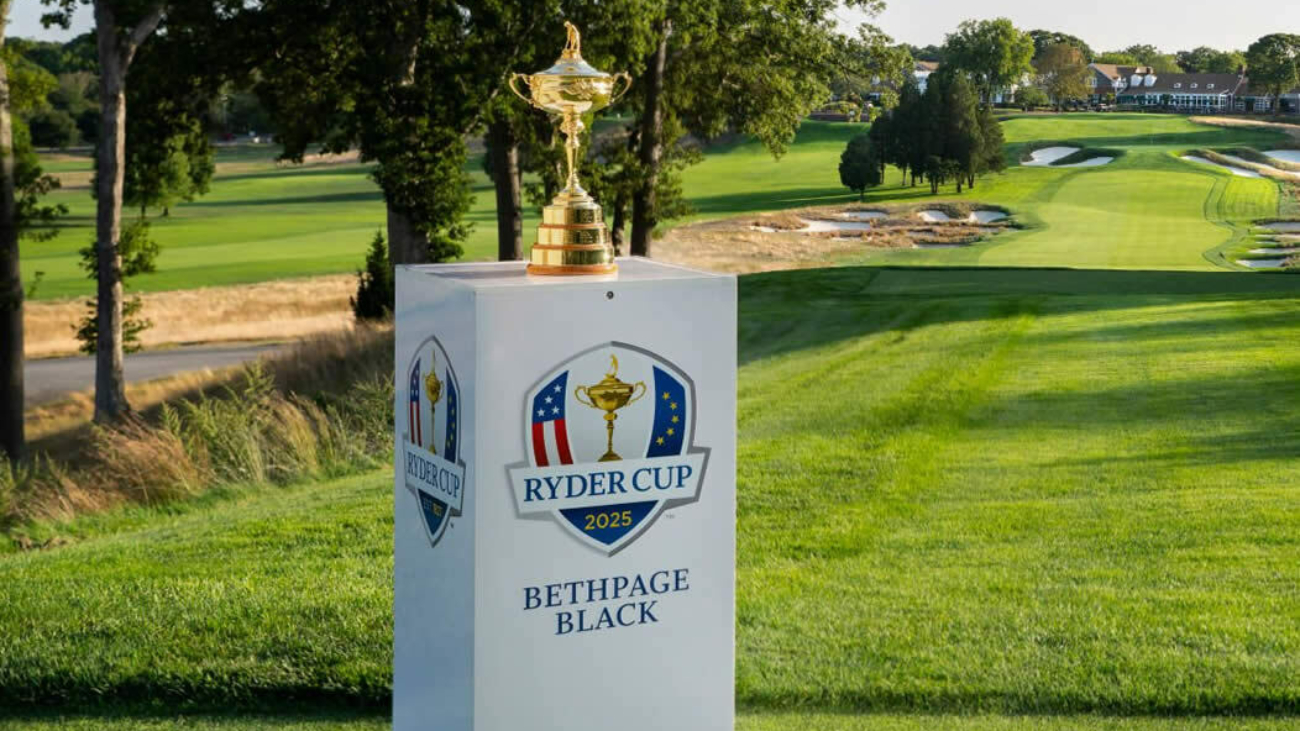
The 2025 Ryder Cup at Bethpage Black wasn’t just a sporting event, it was an adventure. Over three days, the iconic, unforgiving golf course produced a story of persistence, tactics, and shifting whims that will be part of Ryder Cup history.

From feeling the icy wind on Friday morning to hearing the cheers of victory on Sunday afternoon, both Team Europe and Team USA competed against each other and against the brutal inclination of competition against the already lofty demands of one of golf’s most challenging venues.

Day 1: Fighting the Worst of Each Other and Nature

Friday morning started with cold reminders of what the reputation Bethpage Black afforded: swirly winds, and greens that were firm and fast – each shot a test of nerve and precision.

The morning Foursomes saw an early swing toward Team USA, who, bolstered by the home crowd support and what seemed an innate understanding of the course, took an early lead that was only no more than a point or so.

Accordingly, we saw solid pairings like Scheffler/Cantlay and Morikawa/Homa grind out vital, and at times, pars where Team Europe were struggling for birdies.

Morning Foursomes Score: USA 2.5 – 1.5 Europe

When the afternoon Fourball matches began, the European spirit was revived. Players like Rory McIlroy and Jon Rahm, who are seasoned competitors and often alongside some exciting first timers, found their rhythm and began making crazily improbable putts and hitting big, long drives.

The matches started to become tighter, several going to 18 holes, leading to an astounding atmosphere. Europe was able to gain some ground and create a tense morning match up for Saturday.

Afternoon Fourball Score: USA 2 – 2 Europe

Overall Day 1 Score: USA 4.5 – 3.5 Europe

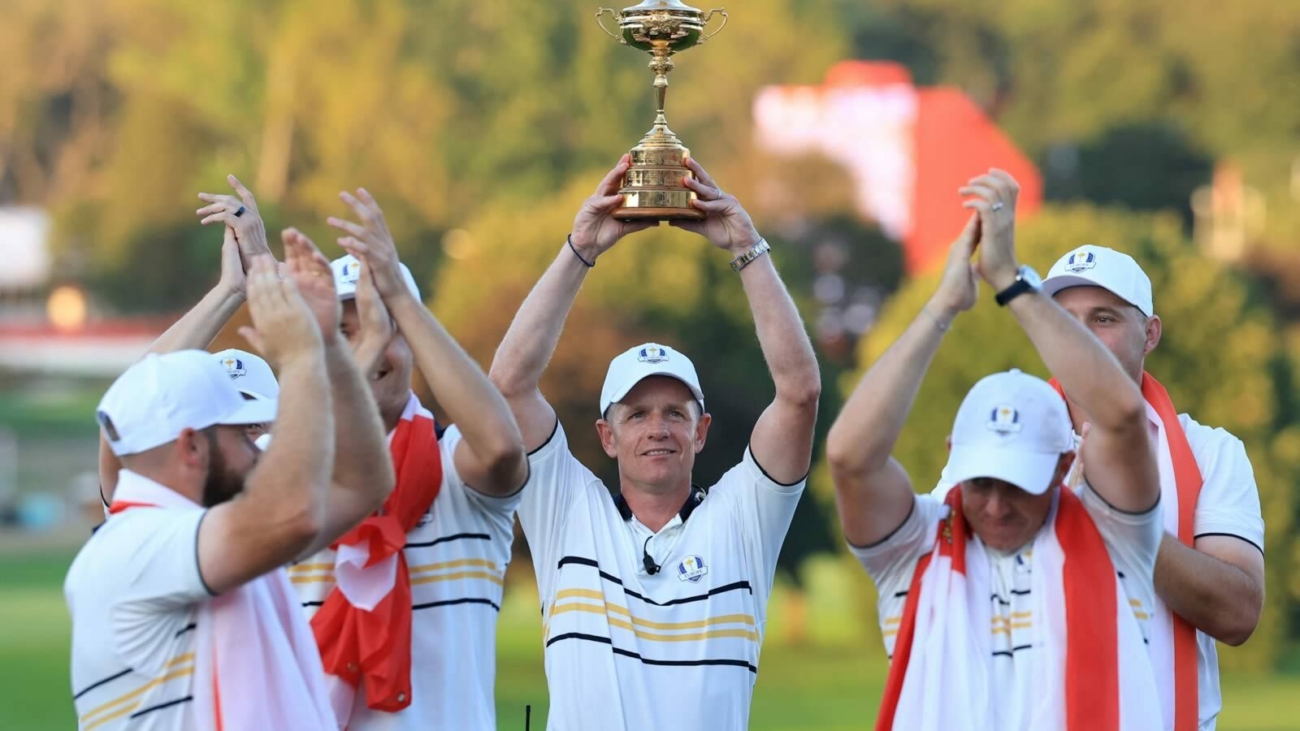
ryder cup 2025 winner celebration
(Photo by David Cannon/Getty Images)

Day 1 Standings:

USA: 4.5 points

Europe: 3.5 points

The day ended, and the USA led, but Europe’s tenacity coming into the afternoon matched the energy for an incredible day. There were difficulties, clearly.

The heavy rough swallowed bad shots, and the undulating greens required tremendous touch – and were unforgiving even for the slightest misread on the approach.

Day 2: Europe’s Momentum and the Shifting Ground

Saturday was less windy than the previous day, but the teeth of Bethpage Black remained sharp. Morning Foursomes showed golf strategy at its best, with both teams playing conservatively and effectively.

Team Europe looked rejuvenated after their Friday afternoon performance with fresh energy.

Their partnerships seemed stronger, and the putters were hotter. Rahm and Hovland were, in particular, unstoppable, destroying their American pair with ease.

Morning Foursomes Score: USA 1.5 – 2.5 Europe

The afternoon Fourball matches completely flipped the momentum. The European charge was almost relentless.

The younger European players, who looked a little overwhelmed the previous day, were now oozing the confidence of youth. Birdies were flowing, and the “olay” chants from the European fans got progressively louder.

The American fans were also cheering, but their cheering felt subdued, as Europe was pulling away with half-points and turning potential losses into draws.

Afternoon Fourball Score: USA 1.5 – 2.5 Europe

Overall Day 2 Score: Europe 8.5 – 7.5 USA

Day 2 Standings:

Europe: 8.5 points

USA: 7.5 points

Not only had Europe overcome the deficit, but they also had reclaimed a one-point lead, showing resilience and adjustment in their strategy. The tough conditions at Bethpage Black were still putting pressure on every player, particularly the long par-3s and long par-4s.

While Europe may have struggled in those conditions 24 hours prior, it did not show, as they found lines and angles that had evaded them the previous day.

Day 3 – The Singles Showdown to the Finish

Sunday. Singles Day. The anticipation in the air was electric. With a razor-thin one-point lead for Europe, the Ryder Cup was to be decided in twelve matches. The pressure on any player playing was immense and amplified by the New York crowd.

The early matches were a rollercoaster of emotions. The USA, buoyed by the home crowd, made a strong charge early. Justin Thomas and Patrick Cantlay secured points, pulling the USA momentarily back into the lead.

Yet, Europe did not back down and responded with their elite players, Jon Rahm went to battle with Scottie Scheffler and pulled out an emergency point, followed by Viktor Hovland’s excellent play.

The final nine holes of Bethpage Black became the scene for ultimate drama. Holes 15, 16 and 17, with their precision required fairways and tricky small greens, devoured hopes and created legends. The European mid-order, featuring young players short of expectations all week, began making ground with every passing round.

A critical half point from a just-made birdie on the 18th from a European rookie began to ease the hopes of fans watching the scorecard.

As the late matches came to a close, the scoreboard began to tell the story. Team Europe reached a total of 14.5 points for victory when a devastated Tyrrell Hatton, after a hard-fought match all along, made a five-foot putt on the 17th green, making the point that confirmed Team Europe’s win.

Final Score: Europe: 15 – 13 USA

ryder cup trophy 2025
(Photo by Jared C. Tilton/Getty Images)

Final Score:

Europe 15 Points- Winners of the 2025 Ryder Cup

USA 13 Points

Challenges and Final Success

The 2025 Ryder Cup was characterized by challenges. Even under normal weather conditions, Bethpage Black is a tough test for golfers. The and the difficulties of fat shots, deep bunkers and elevation changes means that hitting greens in regulation was a daily challenge

The mental aspect of recovering from a terrible shot, or merely making a critical putt under debilitating pressure, separated the champions from aspirants.

Team Europe’s true success was not winning the Ryder Cup, but defeating Bethpage Black on American soil, against a courageous American team, and demonstrating a committed team spirit.

Their ability to adapt to the course after the first day of extremely difficult conditions, their determination in each other’s abilities, and their overall mental game allowed them to pick up the trophy.

The 2025 Ryder Cup in Bethpage Black will be forever remembered as the epitome of teamwork, resilience, and great golf.

01 Golf Article img copy

The Ryder Cup: A Deep Dive into Golf’s Most Exciting Team Event

The Ryder Cup is golf’s clash of titans. Team spirit, national pride, suspense—everything woven together in a way regular tournaments just don’t manage. This isn’t about an individual going low on the scorecard. Here, Europe and the United States line up face-to-face every two years, pushing match play to the front. It’s gritty. It’s unpredictable. And each match counts.

But let’s pull back the curtain. What sets the Ryder Cup’s design apart from the rest?

Team Selection: A Mix of Numbers and Nuance

Each side gets 12 spots. The process is deliberate—part earned, part chosen. It starts with automatic qualifiers, players whose results speak loudest across months of competition, and ends with the captain’s picks, a decision laced with hope and calculation.

  • Automatic Qualifiers: Most slots go to players who rack up points during the qualifying window. Performance matters—on courses that test everything. For Europe, that means results from the DP World Tour and major championships. The US leans on PGA Tour events and majors. The message is simple: show up when it counts, and you get a shot at glory.
  • Captain’s Picks: This is where strategy moves from the spreadsheet to the gut. Once the automatic qualifiers are locked in, the captain has a handful of discretionary choices—usually four to six. These are the captain’s picks. They matter. Each pick is a calculated decision: current form, course fit, team dynamics. Chemistry can’t be left to chance. A captain might go with experience, lean on raw talent, or simply choose someone who makes the whole lineup click. Sometimes, it’s not just about stats. It’s about trust.

When the 12 are named, the real challenge begins. The captain joins forces with vice-captains. Their mission: turn twelve golfers into one team. Collaboration matters. It’s about cultivating confidence and unity. Match play thrives on more than skill—it feeds on team spirit.

Photo Credit: Ryder Cup

Ryder Cup Formats: The Thrill of Match Play

The Ryder Cup stands apart—it’s all match play, all the way. Not your routine round of stroke play. Here, every hole is a fresh contest. Win a hole, move ahead. Lose it, fall behind. The math is simple: first side to an insurmountable lead wins. For example, if you’re 3 Up with only 2 to play, that’s it. 3&2. Match over.

This drama plays out over three days, each with its own rhythm:

Days 1 & 2: Fourball and Foursomes

The first two days are all about variety. You’ll see “Fourball” and “Foursomes” matches, split into two sessions—morning and afternoon.

  • Fourball (Better Ball): Picture this—two players from Team Europe, two from Team USA, all teeing off with their own ball. Every shot counts, but only the lowest score from each side determines who wins the hole. Lower score takes the point. Simple. Because each player has backup, risk-taking goes up. Expect bold moves—one player can play safe, the other takes chances. It’s this setup that creates those exciting birdies and recovery shots. You might catch a fourball pair studying the green, reading every angle.
  • Foursomes (Alternate Shot): Now things get tougher. Same two-on-two, Europe vs. USA. But this time, teams share one ball and alternate shots—one tees off, the next hits the approach, and so on. Players even alternate who starts each hole. It’s a true partnership test. Every shot is for both. One mistake? The pressure shifts fast. This format leans on good communication and trust. Some duos thrive. Others struggle. It’s clear: foursomes reveal the real dynamics between players.

The daily rhythm: four foursomes in the morning, four fourballs in the afternoon—or the other way around. All twelve players might see action if the captain decides it’s time. Every choice counts.

Photo Credit: Ryder Cup

Day 3: Singles Matches

The Ryder Cup’s last act. Day three is all about the singles. No teams. Just twelve matches. One-on-one, Europe versus USA. Each side sends out every player. Individual duels, played simultaneously. Pressure is everywhere.

This is where the story pivots. The singles—these matches determine the winner. The entire event can shift on a single putt. Players feel the weight. Fans buzz with anticipation. Every hole is watched. Every shot matters.

Scoring in the Ryder Cup

The system is straightforward:

  • A win gives that player’s team 1 point.
  • A tied match, known as “halved,” gives each team 0.5 points.

That’s it. No bonuses for style or margin. Clean and direct: win, lose, or split. Across three days, the event adds up to 28 possible points. Day 1 and Day 2 offer 8 matches each. Day 3 steps up with 12—the singles showdowns.

Winning the Ryder Cup

To claim the Ryder Cup, a team must reach at least 14.5 points. Simple math. Big stakes.

If the tournament ends 14-14, the trophy doesn’t change hands. The previous winners keep it. This isn’t just a footnote; it changes everything for defending teams. They feel the extra pressure. They know that, away from home, a tie just isn’t enough.

The Ryder Cup goes beyond golf. It’s competition, psychology, and team spirit. Match play formats twist the usual golf formula. The scoring is clear, and so are the stakes. It’s tense right to the end. Every point matters. Every moment counts.

the ryder cup 2025

The History of Match Play: Why the Ryder Cup Format is so Special

Golf is a sport built on tradition, and few formats capture its drama quite like match play. In most professional tournaments, players compete in stroke play, where every shot counts toward a cumulative score over four rounds. The golfer with the lowest total wins.

Match play works differently. Instead of tracking total strokes, players compete directly against one opponent at a time, battling hole by hole. Win a hole, and you take the lead. Lose one, and the match continues with another chance to recover.

This format sits at the heart of the Ryder Cup. It transforms golf from a quiet contest against the scorecard into something far more personal and unpredictable.

Early Roots of Match Play

Match play dates back to golf’s earliest days in Scotland. Long before modern scoreboards and tournament scoring systems existed, golfers competed by trying to win more holes than their opponents.

The structure naturally created rivalry and tension. A player could lose one hole but immediately respond on the next. A great shot could swing momentum in seconds, while a single mistake might cost a hole but not the entire match.

That built-in resilience is part of what makes match play so appealing. The format keeps matches competitive even when players have different skill levels. Weekend golfers often enjoy it for exactly that reason. A bad hole doesn’t ruin the entire round, and every new tee box brings another opportunity to turn things around.

ryder cup trophy
Photo by Getty Images

Birth of the Ryder Cup

The Ryder Cup began in 1927 as a match between the United States and Great Britain. The competition quickly became one of golf’s most prestigious events.

Over time, the format expanded. First, Ireland joined the British team, and later, the entire European continent was included, creating the modern rivalry between Team USA and Team Europe.

Despite these changes, the Ryder Cup kept the same competitive structure. The event features three types of matches: foursomes, fourballs, and singles. All are played under match play rules.

Unlike standard tournaments, where players focus on individual scores, the Ryder Cup adds a team dimension. Each match contributes a point toward the overall result. Every hole played has implications for the entire team, not just the individual golfer.

Why Match Play Feels Different

Stroke play often feels like a race against numbers. Players focus on par, their scorecard, and the leaderboard. The pressure builds gradually as the tournament unfolds.

Match play creates a completely different dynamic. Each hole becomes its own contest. Players constantly adjust their strategy depending on their opponent’s performance.

If your opponent hits into trouble, you might choose a safer shot. If they stick an approach close to the pin, you may need to take a more aggressive line to keep pace. Strategy shifts from moment to moment.

Because of this, the psychological side of golf becomes even more important. Every shot directly affects the person standing across from you. The tension is immediate and personal.

This format has produced some of the most memorable moments in golf history. Fans still talk about Justin Leonard’s dramatic putt during the 1999 Ryder Cup at Brookline and Europe’s remarkable comeback at Medinah in 2012. Those moments carried extra emotion because the format magnified every shot and every reaction.

ryder cup photos
Photo by Getty Images

Team Spirit in an Individual Sport

Golf is usually an individual pursuit. Players compete for themselves, relying only on their own performance.

The Ryder Cup changes that completely. For one week, golf becomes a team sport. Players compete not just for personal pride but for teammates, captains, and their continent or country.

Partnerships become crucial. In foursomes and fourball matches, chemistry between players can determine the outcome. Some duos thrive on energy and communication, while others rely on calm, steady play.

Captains also play a critical role. They decide who plays with whom, when players take the course, and which golfers sit out sessions. These decisions can influence momentum across the entire event.

With national pride involved, emotions run higher than in almost any other golf tournament. The crowd energy, team celebrations, and shared pressure create a unique atmosphere rarely seen in the sport

Bringing the Ryder Cup Spirit to Your Own Game

Part of what makes the Ryder Cup so compelling is how simple the format is. Two players, one match, and a fresh contest on every hole. Momentum can change quickly, and no match feels completely safe until the final putt drops.

You don’t need to be a professional golfer to enjoy that same excitement. Match play works just as well among friends at a local course.

With platforms like GemGolfers, players can organize their own Ryder Cup–style events, forming teams and competing in match-play formats similar to those used by professionals. The setup is straightforward, but the experience can be just as engaging.

Playing in teams adds camaraderie and strategy to the round. Friendly rivalries form, partnerships develop, and each hole carries its own sense of drama.

In many ways, that spirit reflects golf’s earliest traditions. Match play brings the game back to its most direct form: two sides competing hole by hole, where every shot has meaning and every match tells a story.

Source: Getty Images

Spaun birdies last two to win US Open from MacIntyre

US Open final leaderboard

-1 Spaun (US); +1 MacIntyre (Sco); +2 Hovland (Nor); +3 Hatton (Eng); Young (US), Ortiz (Mex), +4 Burns (US), Scheffler (US) Rahm (Spa); +5 Griffin (US), Henley (US)

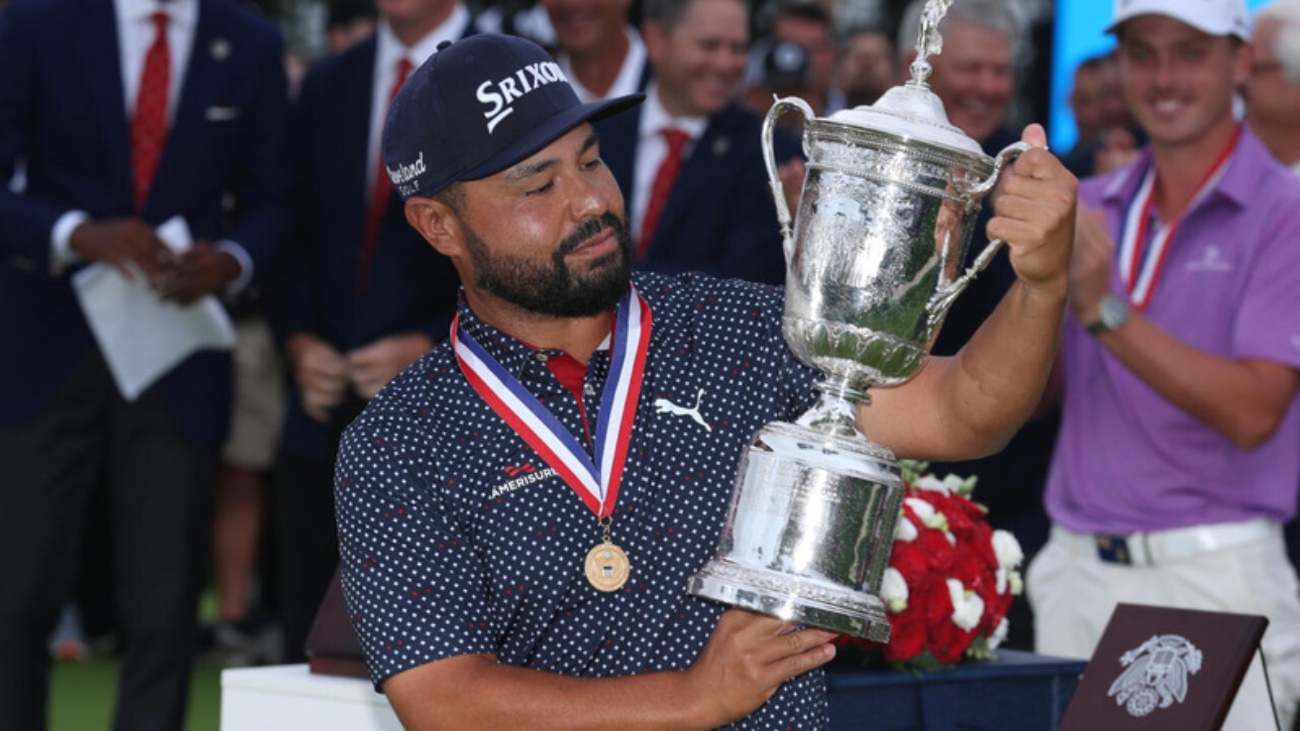
American JJ Spaun overcame a flooded golf course, a 90-minute rain delay and the brilliance of Scotland’s Robert MacIntyre to win the US Open on a chaotic final day at Oakmont Country Club.

The 34-year-old, who needed a par on the last to win his first major, holed an incredible 64-foot birdie putt to win by two on one under.

MacIntyre, watching on a television, applauded and simply mouthed “wow” when the putt dropped. It was a terrific gesture at the end of an enthralling final round.

The 28-year-old from Oban had gone close to breaking his own major duck at a course that is generally regarded as the toughest in the world.

He started the day seven off the lead and was the only player from the overnight top-10 to break par in the final round. His sensational two-under 68 set the clubhouse target at one over par.

But Spaun birdied the 17th to get to level par and then produced his moment of magic on the final green to send the drenched masses surround the putting surface wild.

It was quite the turnaround by the Californian, who started the round one shot behind overnight leader Sam Burns, and bogeyed five of his first six holes to seemingly drop out of contention.

However, after torrential rain stopped play for an hour and a half, Spaun regained his composure to follow a front nine of 40 shots with a back nine of 32.

“I never thought I would be here holding this trophy,” he said.

“I’ve always had aspirations and dreams but a few months ago I didn’t know what my ceiling was and how good I could be.”

While Spaun was climbing the leaderboard, the others’ ragged play added to the drama.

Burns, who had led after rounds two and three, drowned in the rain, alongside playing partner Adam Scott. They endured nightmare rounds of eight and nine over par, respectively, to finish well off the pace.

At one stage on the back nine, five players shared the lead at one over par, including England’s Tyrrell Hatton who played outstandingly for 16 holes but stumbled at the 17th and finished four back.

Four bogeys on the front nine derailed Norway’s Viktor Hovland but a level-par closing nine saw him home in 73 to claim third place on three over.

“I missed three five-foot putts and you can’t be doing that if you’re going to win a major championship,” said the European Ryder Cup player.

Back in March, JJ Spaun was inches from landing a 31-foot birdie on the 18th hole to beat Rory McIlroy at The Players Championship. He was then defeated by the Northern Irishman in a play-off.

At the US Open, he went one better – from twice the distance – and he celebrated wildly before succumbing to his tears.

The putt ensured he was the only player to navigate 72 holes at brutal Oakmont Country Club under par – a fitting finish for the sole man to shoot a bogey-free round this week with his stunning 66 on Thursday.

And yet his final round was littered with bad breaks – and bogeys.

A horror start seemed to have cost him his chance at a career-changing title – his approach at the second hitting the flagpole before rolling 50 yards away, and then bouncing his ball off a rake at the fourth on his way to five bogeys in six holes.

But, while almost everyone else was speeding down the leaderboard, he showed remarkable composure after the rain break to haul himself back into contention.

Birdie putts from 40 and 22 feet lifted him into the lead, and after a bogey at the 15th, his stellar tee shot that found the green at the par-four 17th helped him secure another birdie. And the second-best putter in the field by strokes gained sealed matters in style at the last.

“The weather delay changed the whole vibe for the day,” he said.

“A similar thing happened to me at the Players and I kind of leaned on that whole experience.”

Rory-McIlroy

DFS Dish: Does Rory McIlroy trump Scottie Scheffler for value at The Genesis Invitational

As rain moves into the week of The Genesis Invitational, daily fantasy players face a familiar but difficult question: should they build their lineup around Scottie Scheffler or Rory McIlroy?

The challenge is amplified by the conditions at Torrey Pines South Course, which already ranks among the longest venues on the PGA Tour schedule. At 7,765 yards, the coastal layout demands both distance and precision. Add persistent rain to the mix and the course becomes even more demanding.

The forecast calls for rain through Wednesday and Thursday nights, meaning the course will likely play soft and heavy. Wet fairways reduce rollout, effectively making the course longer, while thick rough becomes even more punishing.

Under those circumstances, players who combine power with accuracy could gain a major advantage.

“The course is going to play long, the rough is very, very penal, so there’s a premium of putting your ball in the fairway and then controlling the spin into the greens,” Rory McIlroy said Wednesday.

The Northern Irishman also pointed out another challenge players must deal with this week: Torrey Pines’ sloping greens.

“Not that I didn’t remember, but it took me by surprise when I played a few holes yesterday just how much pitch and slope there is on these greens. So if you are lucky enough to be hitting the ball out of the fairway, you’re going to have to control your spin on these greens a lot as well, so a lot of like three-quarter shots.”

Scheffler vs McIlroy: the DFS decision

In the DraftKings daily fantasy pricing board, Scheffler sits at the top with a $12,300 salary, reflecting his status as the world No. 1 player. McIlroy follows closely behind at $10,900.

The price difference creates a strategic decision for lineup builders.

Scheffler offers elite consistency and ball-striking, but paying the premium for him limits flexibility elsewhere. McIlroy, meanwhile, arrives in strong form after winning the AT&T Pebble Beach Pro-Am, proving he can thrive in windy and wet conditions similar to those expected this week.

Because neither player has an extensive history at Torrey Pines, the choice may ultimately come down to roster construction. Players hoping to fit another high-priced star into their lineup may lean toward McIlroy for the extra salary flexibility.

Other high-priced contenders

Beyond the two headline names, only Justin Thomas ($10,100) and Collin Morikawa ($10,000) fall into the five-figure salary range.

Thomas enters the week in solid form after finishing T6 at the WM Phoenix Open and runner-up at The American Express earlier in the season. His Torrey Pines record includes four top-25 finishes, including a strong showing in the U.S. Open held on the course.

Morikawa also brings an impressive course history. He finished third at Torrey Pines in 2023 and T4 at the U.S. Open played there. Statistically, he currently leads the PGA Tour in Strokes Gained: Tee-to-Green, highlighting the strength of his overall ball-striking.

Other notable players just below that salary tier include Ludvig Åberg ($9,800) and Hideki Matsuyama ($9,600).

Åberg showed promise earlier this season at the Farmers Insurance Open, briefly leading after a low round on the North Course before illness derailed his tournament. His length off the tee makes him a natural fit for the demanding South Course.

Matsuyama entered as the defending champion of the Genesis Invitational when the tournament was played at Riviera Country Club. He also owns two top-10 finishes at Torrey Pines.

Strong mid-tier options

The $8,000 to $9,000 range features several players with strong credentials.

Taylor Pendrith ($9,000) has made the cut in all four of his Torrey Pines appearances, including two top-10 finishes. His strength off the tee could prove valuable on a long, wet course.

Shane Lowry ($8,800) finished runner-up to McIlroy at Pebble Beach and has plenty of experience performing in difficult weather.

Jason Day ($8,700) boasts one of the strongest course records in the field. The former world No. 1 is a two-time winner at Torrey Pines, along with additional runner-up and third-place finishes.

Other intriguing names include Jordan Spieth ($8,500), Tony Finau ($8,200), and Robert MacIntyre ($8,100). Finau’s history is particularly impressive, with six top-10 finishes among nine top-25 results at the venue.

MacIntyre may also benefit from the weather conditions. Growing up in Scotland, he is well accustomed to playing in the wind and rain.

Value plays with distance

As lineup builders move further down the salary board, driving distance becomes an important factor.

Min Woo Lee ($7,800) ranks among the longest hitters on Tour, currently sitting third in Driving Distance while also ranking near the top in Strokes Gained: Tee-to-Green and Strokes Gained: Total.

Cameron Young ($7,400) offers similar firepower and ranks 16th in Strokes Gained: Off-the-Tee.

Both players have the length required to attack Torrey Pines in soft conditions.

Finding hidden value

Every winning DFS lineup also needs lower-priced players who outperform expectations.

Last week’s optimal lineup featured several golfers priced at $7,400 or less, including Thomas Detry, Daniel Berger, Michael Kim, Christiaan Bezuidenhout, and Taylor Moore. Their performances highlight how important bargain selections can be.

Berger stands out again this week at $6,900. His statistical profile is impressive: seventh in Strokes Gained: Off-the-Tee and third in Strokes Gained: Tee-to-Green. He also ranks 22nd in Driving Distance and 17th in Driving Accuracy, leading the Tour in Total Driving. Those numbers suggest strong value following his T2 finish last week.

Another intriguing low-cost option is Justin Rose ($6,400). The veteran recently finished T3 at Pebble Beach and has previously won at Torrey Pines. His experience playing in wet conditions could prove valuable in the expected weather.

Rain adds another layer

Ultimately, the weather may shape how the tournament unfolds. Soft fairways and heavy rough will emphasize power off the tee while demanding precise approach shots to control spin on Torrey Pines’ challenging greens.

That combination could favor the game’s elite ball-strikers.

For DFS players, though, the central question remains the same: build around Scheffler’s reliability or McIlroy’s value and momentum.

Either way, the rain-soaked challenge of Torrey Pines is likely to produce a dramatic week.

liv-golf-shotgun-challenge-sotogrande

LIV Golf Promotions to be held in Riyadh

The tournament will be staged December 12-14 at Riyadh Golf Club

Following an intense conclusion to the LIV Golf season, the league today unveiled details on the second edition of LIV Golf Promotions, presenting pathways for elite players from across the globe to earn their place in the League and The International Series for 2025.

The tournament will be staged December 12-14 at Riyadh Golf Club, with four rounds of stroke-play over three days, including 36 holes on the final day where the top finisher will earn a spot in the LIV Golf League next season.

The top 10 finishers, including ties, will earn full exemption into all 2025 events on The International Series, sanctioned by the Asian Tour. LIV Golf Promotions also offers a prize purse of US $1.5 million.

“Those who have competed in the LIV Golf League consistently share similar feedback: the energy, camaraderie, and global competition have created a once-in-a-lifetime experience for players to pursue their dreams at the highest level,” said LIV Golf Commissioner and CEO Greg Norman.

“LIV Golf Promotions delivers another pathway for up-and-coming players and top competitors across the globe to experience a life-changing season with LIV, and we’re eager to see who steps up this year in Riyadh.”

LIV Golf Promotions will consist of four rounds of 18-hole stroke play. Starting Thursday, December 12, those who finish in the top 20 and ties from round one will advance to Friday’s round two, where scores will reset, and the field will be joined by a category of players who automatically qualified for day two of competition.

The top 20 players following round two will advance to the final day of competition, with scores reset once more for an intense full-day, 36-hole shootout. At Saturday’s conclusion, the winner will earn $200,000 and a highly coveted and lucrative spot in the LIV Golf League for 2025.

LIV Golf Promotions will add to the full-season player field for the 2025 LIV Golf League, with the top qualifier from Riyadh Golf Club and the winner of The International Series 2024 Rankings guaranteed to compete in the League with the opportunity to be signed by a team.

American John Catlin, who played as a reserve in six LIV Golf events this past season, currently leads the standings, having recorded one International Series win in Macau, and two runner-up finishes.

“John’s success in a number of LIV Golf events as a reserve this season is proof of the quality of play that we see each week on The International Series,” said Head of The International Series Rahul Singh.

“As we crown a 2024 International Series champion later this fall and look to the highly anticipated LIV Golf Promotions, one deserving player will have the chance to punch their life-changing ticket to the LIV Golf League.”

In addition to welcoming players from around the world, relegated players, and those without a team commitment for 2025 who finished in the Open Zone (25th-48th) in the 2024 LIV Golf League standings also have the opportunity to regain their playing rights for 2025.

However, only the top finisher in LIV Golf Promotions is guaranteed a spot in the League for 2025 – allowing teams greater flexibility during free agency to enhance their rosters this offseason.

Credits: Golf Digest

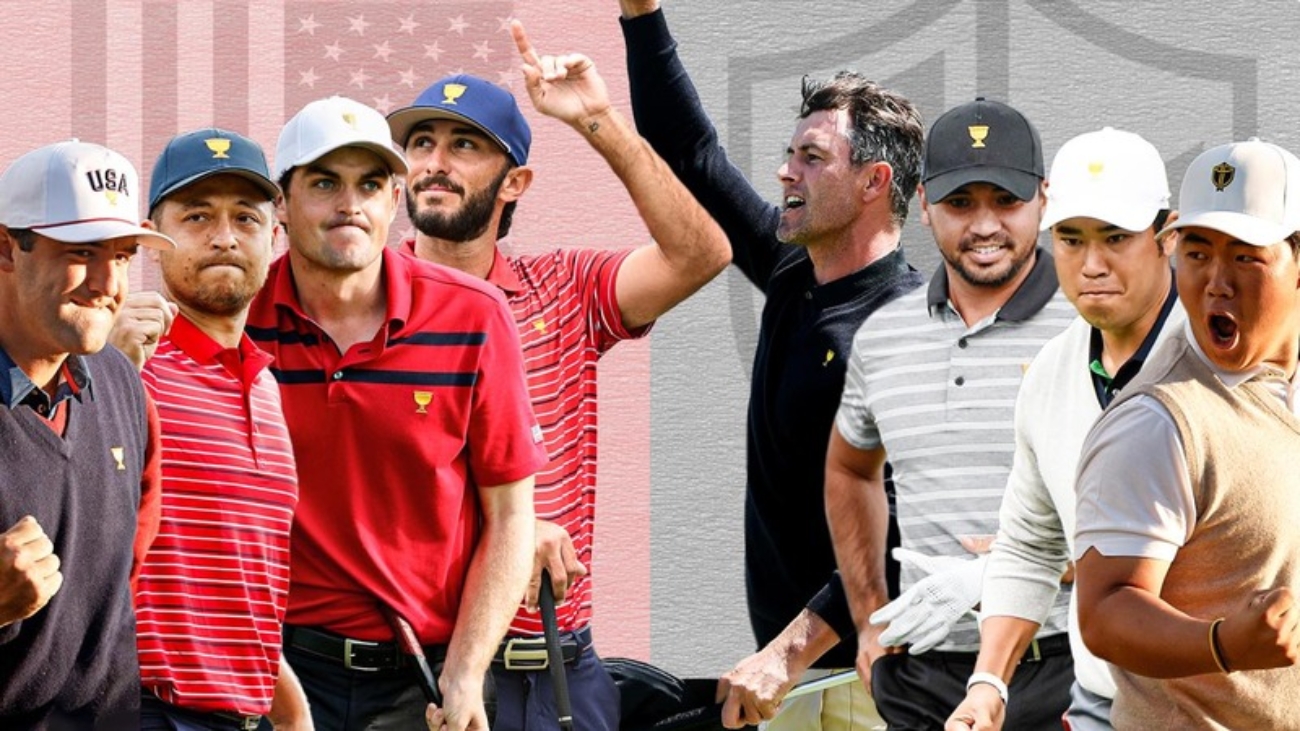
2024 Presidents Cup teams: Ranking all 24 golfers on United States, International sides at Royal Montreal

The Americans have the best players, but the International side has more experience … which will win out?

The President’s Cup often struggles to receive the same attention as the biennial Ryder Cup, but it nevertheless makes for some fun (if historically one-sided) team golf. The United States has won nine of these events consecutively, and while this year’s team is especially vulnerable, taking an overall look at the 24 golfers competing in Canada explains why the red, white and blue are on such a streak in this event.

The U.S. has traditionally overwhelmed the International team with talent. This year is no different, and there are both recent statistics and historical performances to prove it. A thorough breakdown of all 24 golfers playing in the Presidents Cup shows that the Americans bring far less experience into the fray, though the performances of those who have played prior Presidents Cups reign.

Let’s jump right in and rank all 24 players in this year’s event starting with the clear-cut two best players in the world in 2024.

2024 Presidents Cup teams, rankings

Xander Schauffele (USA): I have Schauffele ahead of Scheffler, mostly because Scheffler is 0-5-3 since his first team event at the 2021 Ryder Cup at Whistling Straits. Schauffele has been excellent at Presidents Cups in general with a 6-3-0 record, and his last three and six months are close enough to Scheffler that he gets the edge here.

Scottie Scheffler (USA): His Presidents Cup performance is one of the storylines I’ll be following the closest this week. As good as he’s been on his own over the last few years, he’s equally struggled at these team events. Part of the reason, I suspect, is that one of his greatest skills — mitigation of massive numbers in his rounds — does not matter at all in match play. That doesn’t mean he cannot be great — he could still easily go out and go 5-0-0 — but at the very least it’s something to keep an eye on.

Collin Morikawa (USA): Over the last six months, there are four golfers who have averaged 2.0 strokes gained or higher. Two of them are Scheffler and Schauffele, and the other two are Morikawa (2.22) and Hideki Matsuyama (2.03). Morikawa is perfect for any format and should finally get the only thing he lacked throughout what was a tremendous year: a victory.

Hideki Matsuyama (International): On paper, Matsuyama is the International team’s best player and has had the best year. Also on paper, Matsuyama is 7-10-5 at Presidents Cups. Still, it would have been foolish to rank someone who has clearly been one of the four best players in this field over the last six months lower than fourth. He’s the only International player who makes my top five.

Patrick Cantlay (USA): Now we start to go off the board just a bit. Cantlay has not been bad this year, but he’s had a down year for Patrick Cantlay. He ranks sixth in strokes gained of players in this field over the last six months, but I’m leaning on team event experience and success at this event in general — he’s 6-3-0 — not to mention a built-in partnership with the No. 1 player on this list.

Adam Scott (International): This could go one of two ways. Scott has been arguably the third-best player in the world since July. But we’re also talking about a 44-year-old whose 18-25-6 record is not all that great historically speaking. Can the International team depend on him or will he wear out after a long week? The answer to that question could legitimately decide this event.

Tony Finau (USA): The best value and most underrated player in this event. Finau has a better strokes gained number than all but three of the International team’s players over the last six months, he’s 3-2-3 in President’s Cup matches and has finished in the top 20 in nine of his last 10 tournaments.

Sungjae Im (International): Great Presidents Cup record and he’s playing great in general of late, ranking No. 3 overall in strokes gained over the last three months behind only Scheffler and Schauffele. My problem with Im? I don’t know that I can trust him. He never wins, and I’m concerned about him if it gets close late in the matches. Maybe that’s unfair, but when your winning percentage on the PGA Tour is around 1%, well, I don’t know what other options I have.

Russell Henley (USA): I said Cantlay is the first player I had to reorder based on strokes gained over the last six months. That’s because Henley ranks fifth in that category behind Scheffler, Schauffele, Morikawa and Matsuyama. I’m fascinated to see what he does in a team event because the argument could be made that he’s the most underrated stroke play golfer in the world.

Sam Burns (USA): Tried to carry Scheffler around Quail Hollow in 2022 but still stumbled to an 0-3-2 mark in his first President’s Cup. Burns had a nice FedEx Cup Playoffs and has been the sixth-best American in strokes gained over the last three months. Also, that’s seven Americans in the top 10, which is why the International team has not won since 1998.

Sahith Theegala (USA): The new Jordan Spieth for the U.S. side. Not from an emotional perspective but definitely from a stylistic standpoint. You might get three out-of-bounds shots off the tee, but you’re also maybe getting eight birdies over the last 13 holes. Electricity.

Wyndham Clark (USA): The 2023 U.S. Open champion is where this can turn into a rout for the U.S. side. If the Americans are getting, say, a 2-0-1 performance from Clark, that’s probably an early wrap. Clark has been way up and way down in 2024 but ended the year in a nice note in the FedEx Cup Playoffs.

Tom Kim (International): He was arguably the star of the 2022 President’s Cup, even though he only went 2-3-0 in his five matches. Kim has struggled of late and failed to make it past the first round of the FedEx Cup Playoffs. He might be a match play king tantamount to an Ian Poulter or someone like that, but I’m going to have to see it a few more times before I start handing out that title to him.

Si Woo Kim (International): Like Clark on the U.S. side, if the International team is getting three points out of someone like Kim, then the U.S. could be in some trouble.

Taylor Pendrith (International): Our first Canadian! The home country boy went a putrid 0-4-0 at Quail Hollow. If that happens again, then the International team has no chance. He is trending in the right direction, though, with his three-month SG number improving from his six-month number.

Jason Day (International): His record at President’s Cups is a terrible 5-11-4. Good year, but when he’s one of your top six or seven guys, that’s a problem.

Brian Harman (USA): Solid play but nothing spectacular this year. Emblematic of that is that he only missed two cuts but also only had two top fives. If the U.S. gets two points out of him, that’s a good thing.

Keegan Bradley (USA): I’m curious to see how much they play him. His win at the BMW was great, but it’s his only top 10 since May, and he will be paying particular attention to how the entire event (and specifically the U.S. team) operates ahead of his Ryder Cup captaincy.

Mackenzie Hughes (International): His numbers are good but not great, but with the way he putts — at least 0.4 strokes gained per round every season for the last five — he could be a nightmare to face in match play.

Min Woo Lee (International): I want to have Lee higher here, but his golf has been pretty bad over the last three and six months. He only has one top 10 since March, and it came at the Rocket Mortgage Classic.

Ben An (International): I don’t have any strong opinion one way or another on An. A good year, but I don’t expect anything special from him this week.

Max Homa (USA): If he wasn’t bringing so many intangibles to the table, Homa would be an easy 24th here. He’s the only player with a negative strokes gained number over the last three months, and it’s 0.74. Next worst is Lee at 0.44, which means Homa has been over one stroke worse than the next worst player in this event over the last three months.

Corey Conners (International): Another guy who went 0-4-0 at Quail Hollow. Even though he’s an excellent striker of the ball, I do not love Conners’ game and disposition for this event.

Christiaan Bezuidenhout (International): He played poorly over the last three months, although like Hughes, he could be tough to face because his short game is nasty

6ce34ee0-6e2b-11ef-8d25-7777cae52d72 (1)

Europe warned to expect hostile Solheim Cup atmosphere

Europe will face a “hostile” home crowd “absolutely desperate” for the United States to win back the Solheim Cup in Virginia this week, says former captain Mickey Walker.

Last year’s 14-14 draw in Spain, the first in the contest’s 34-year history, meant Europe retained the trophy after victories in 2019 in Scotland and 2021 in Ohio.

No side has held the trophy for a fourth successive time and Europe have won just twice in nine previous events in the US.

“The Americans will feel it is essential to win and it’s going to be difficult for Europe because it can get quite hostile,” Walker, who led Europe to their first triumph in 1992.

“The American crowds will be out there to win it. It will be very pro-American and that will be really tough.

“Those that have played before will know what to expect and they will be as prepared as they can be, but it’s a lonely place when you’re out there playing and 90% of the support is American.”